
The Complete Guide to Wu Xing: Chinese Five Elements Meaning, Cycles, and Practical Daily Balance
TABLE OF CONTENTS
- What Are the 5 Elements? The Meaning of Wu Xing Explained
- The Correct Wu Xing Order: Wood to Fire, Earth, Metal, and Water
- Wu Xing Symbols, Pinyin, and the Chinese Elemental Chart
- The 5 Elements of Nature: Embodying the Archetypes in Daily Life
- Western Four Elements vs. Eastern Five Elements: Core Differences
- 5 Element Theory in Practice: How Energy Circulates and Balances
- Wu Xing in Chinese Astrology: Chinese Zodiac Elements and BaZi
- 5 Elements Feng Shui: Harmonizing Your Home and Workspace
- Five Elements in Traditional Chinese Medicine: Harmonizing Body and Spirit
- Why Wu Xing Matters Today: Practical Benefits for Modern Well-Being
- How to Identify and Balance Your Dominant Element
- Common Misconceptions About Wu Xing (And the Truth Behind Them)
- How to Begin: Integrating the Five Elements Into Your Life Today
- Frequently Asked Questions About Chinese Zodiac Elements and Wu Xing
Executive Summary
Movement Over Matter: Wu Xing translates accurately as Five Phases or dynamic energetic transitions, rather than five static physical substances.
The Regenerative Rhythm: Energy naturally circulates through the Generating Cycle (Wood to Fire, Earth, Metal, and Water) and stays regulated via the Controlling Cycle to prevent burnout.
Somatic and Spatial Alignment: Imbalances manifest as physical and psychological tension. You can harmonize your vitality and living space through practical adjustments: warm lighting, intentional decluttering, tactile natural materials, crystal frequencies, and quick nervous system resets.
You have likely heard of the "Five Elements"—Wood, Fire, Earth, Metal, and Water. When people first encounter this concept, it often feels mysterious, like an ancient esoteric code. In reality, the Five Elements system is an intuitive relational map created by ancient observers of nature. It helps us understand how anything in life begins, how it gains momentum, how it stabilizes, how it consolidates, and how it gathers internal strength to begin anew.
This guide does not ask you to subscribe to dogmatic beliefs. You can approach it as a timeless reservoir of Eastern wisdom or as a grounding tool for self-awareness and somatic mindfulness. By the time you finish reading, you will understand what the Five Elements truly are, why their natural order cannot be disrupted, how the generating and controlling cycles work, and how to apply this energetic framework to your home sanctuary, professional focus, and emotional well-being.
·

What Are the 5 Elements? The Meaning of Wu Xing Explained
The Five Elements framework—known traditionally as Wu Xing—is an ancient holistic model used to understand the fluid shifts of nature, the human body, societal patterns, and the rhythm of time. It encompasses five fundamental archetypes: Wood, Fire, Earth, Metal, and Water.
While commonly translated in the West as the Five Elements, a more precise translation is Five Phases or "five energetic transitions."
If you remember only one core insight: Wu Xing does not describe five rigid substances; it describes five dynamic ways that life force (Qi) transforms.
Five Elements of Life: Dynamic Phases, Not Physical Materials
The most widespread misunderstanding is reducing the Five Elements to literal lumber, physical flames, soil, scrap metal, and tap water. In classical Feng Shui and Traditional Chinese Medicine, the elements represent symbolic archetypes (Xiang, energetic form) rather than literal physical matter (Zhi, physical substance).
Wood is upward expansion: Not merely a tree, Wood embodies the pioneering momentum, vision, and growth of springtime.
Fire is peak expression: Not merely a campfire, Fire represents maximum radiance, social warmth, and heart-centered visibility.
Earth is centering stability: Not merely dirt, Earth signifies the grounding, holding, and nourishing presence that anchors any transition.
Metal is refined discernment: Not raw iron or scrap metal, Metal reflects the organizing, boundary-setting, and clarifying energy of the autumn harvest.
Water is restorative potential: Not just liquid, Water represents quiet stillness, interior wisdom, and deep cellular regeneration.
You can observe these elemental currents throughout your daily lifestyle. When an inspired creative vision takes root and pushes you to start a new endeavor, that is Wood energy. When you feel expressive, socially magnetic, and eager to share your voice, that is Fire energy. When you crave comfort, deep grounding, caring for your sanctuary, and doing dependable work, that is Earth energy. When you need to declutter, establish firm personal boundaries, set schedules, and cut away unnecessary distractions, that is Metal energy. When you retreat into deep meditation, journal, practice stillness, and replenish your nervous system, that is Water energy.
Rather than putting you in an arbitrary box, Wu Xing asks a gentle diagnostic question: Which phase am I living in right now? Which energies are running on empty, and which ones are currently overwhelming my system?
Yin Yang and the Five Elements: How Natural Qi Evolves Over Time
Yin and Yang represent the primordial polarity of existence: shadow and light, stillness and action, interior depth and outward expression, cool receptivity and warm radiance. The Five Elements represent the systematic unfolding of Yin and Yang across physical time.
Consider the rhythm of a single 24-hour cycle:
Dawn (Wood): The sun breaks the horizon, birds awaken, and life begins to stir—nascent Yang rising.
Midday (Fire): Sunlight reaches its zenith, temperatures peak, and activity is fully visible—pure Yang radiating.
Mid-Afternoon (Earth): The sun begins its transition, temperatures balance, and the day's energy pauses to digest and settle—Yang turning toward Yin.
Dusk (Metal): Shadows lengthen, the air cools, and activities wind down into intentional closure—nascent Yin consolidating.
Midnight (Water): The natural world plunges into silence, darkness, and cellular restoration—pure Yin storing vital essence.
While Yin-Yang answers how two fundamental polarities balance one another, Wu Xing demonstrates how those polarities move sequentially through nature and human consciousness. The two frameworks work as a single continuum.
The Origins of Chinese Five Elements: From the Book of Documents to the Yellow Emperor's Classic
Wu Xing was not invented overnight by a single author. It evolved through centuries of contemplative observation, natural science, and spatial wisdom across ancient traditions.
The earliest canonical mention appears in the Shangshu (The Book of Documents: The Great Plan), dating back to the first millennium BCE, which delineated the fundamental characteristics of Water, Fire, Wood, Metal, and Earth. Centuries later, during the Han Dynasty, the foundational medical treatise Huangdi Neijing (The Yellow Emperor’s Classic of Internal Medicine) mapped the five phases directly into human anatomy, physiology, and emotion: the Liver corresponds to Wood, the Heart to Fire, the Spleen to Earth, the Lungs to Metal, and the Kidneys to Water.
Over the millennia, this elegant matrix expanded to guide classical Feng Shui, BaZi natal astrology, traditional music, strategic martial arts, and holistic lifestyle architecture. Wu Xing stands as an ancient systems theory: it prioritizes relational harmony, rhythmic cycles, and organic balance over rigid dogma.
Five Elements vs. Five Phases: Why Wu Xing Is an Evolutionary Process
In colloquial English, "Five Elements" remains the most recognized keyword. However, the Western term "element" historically conjures the idea of indivisible, static chemical building blocks.
The word Xing translates literally as "to walk," "to move," or "a path of motion." Academic literature prefers the term Five Phases because it emphasizes dynamic movement, changing seasons, and cyclical evolution.
Whether you search for Wu Xing, Five Elements, or Five Phases, you are exploring the exact same ancestral system. Keeping the concept of "phases" in mind will immediately unlock a much deeper, more fluid appreciation of how the cycles operate.
Quick Summary: What Wood, Fire, Earth, Metal, and Water Represent
Wood: Growth, expansion, pioneering vision, upward mobility, benevolence, initiation.
Fire: Radiance, passion, charisma, visibility, joy, heart-centered connection.
Earth: Grounding, stability, nourishment, centering, digestion, reliability.
Metal: Clarity, refinement, healthy boundaries, structure, discernment, release.
Water: Intuition, wisdom, stillness, adaptability, deep restoration, hidden reserves.
These archetypes are not stagnant definitions. They are living directions of vital Qi, and their power reveals itself through how they support and balance one another.

The Correct Wu Xing Order: Wood to Fire, Earth, Metal, and Water
The foundational progression of Wu Xing follows an unbroken sequence: Wood generates Fire, Fire generates Earth, Earth generates Metal, Metal generates Water, and Water generates Wood.
This sequence reflects the organic laws of nature. It describes how vital energy circulates without depletion.
Wood feeds the emergence of Fire.
Fire burns down to nourish Earth.
Earth concentrates inward to produce Metal.
Metal cools and gathers mineral-rich Water.
Water flows outward to hydrate and grow Wood.
Why the Sequence of the Five Chinese Elements Cannot Be Broken
Treating the Five Elements as a random checklist destroys their explanatory insight. The sequence embodies a generative formula that mirrors both the natural seasons and creative manifestation:
Wood initiates: The seed cracks open; inspiration sparks.
Fire expresses: The plant blossoms under the sun; the idea steps into visible action.
Earth settles: The flowers drop, fruit forms, and energy returns to the fertile ground; action becomes reliable routine and lived experience.
Metal refines: The harvest is gathered, pruned, and sorted; values, boundaries, and clear structures are set.
Water restores: Winter descends; vitality retreats deep into the root system to dream, replenish, and gather strength for the next spring.
If this natural sequence is scrambled, personal projects and somatic well-being hit roadblocks. When you attempt to jump directly from pure vision (Wood) to rigid perfection (Metal) without the joy of action (Fire) or the foundation of patience (Earth), burnout is inevitable.
The Generating Cycle (Sheng): Creation, Nourishment, and Flow
The Generating Cycle (Sheng), also known as the Creation or Nourishing Cycle, illustrates how each element generously mothers and fuels the subsequent phase:
Wood feeds Fire: Dry wood kindles brilliant flames. A clear long-term vision fuels genuine enthusiasm and authentic action. Without Wood, Fire burns out quickly; without Fire, Wood remains dormant potential.
Fire creates Earth: Fire burns matter into ash, which settles into rich soil. The warmth of passion, once spent, crystallizes into grounded experience, tangible assets, and lasting stability.
Earth bears Metal: Deep within the subterranean crust, compressed earth forms veins of precious mineral and refined metal. Patience, consistency, and stability distill into crystal-clear standards, discernment, and personal boundaries.
Metal enriches Water: Cool metal surfaces condense dew, and mountain mineral beds feed clear subterranean springs. Crisp boundaries and disciplined priorities free your mental bandwidth, allowing deep intuition, restorative calm, and emotional flow to return.
Water nourishes Wood: Pure water nourishes trees, allowing roots to drink and shoots to reach toward the sky. Stillness, restorative sleep, and spiritual wisdom provide the vital moisture needed to launch new beginnings.
The Generating Cycle is not about accumulating endless energy; it is about keeping the river flowing. If Wood is overdeveloped while Fire is blocked, you will stay trapped in analysis paralysis—endless business plans without launching. If Fire is blazing without Earth to ground it, you will experience sudden hyper-enthusiasm followed by immediate exhaustion.
The Controlling Cycle (Ke): Healthy Boundaries, Balance, and Structure
The Controlling Cycle (Ke), sometimes called the Regulating Cycle, acts as nature's internal governor. It prevents any single energy from runaway expansion:
Metal chops Wood: Iron axes prune wild, overgrown branches. Disciplined focus and clear boundaries prevent ambitious plans from fragmenting into chaotic over-commitment.
Wood parts Earth: Tenacious tree roots break through hardened clay, aerating the soil. Fresh perspective, movement, and growth break through stagnation, rigidity, and stubborn procrastination.
Earth dams Water: Solid earthen riverbanks guide the torrent into a usable waterway. Emotional grounding and practical structure prevent sensitive intuition from dissolving into boundless anxiety or depressive overwhelm.
Water extinguishes Fire: Cool water tames uncontrolled infernos. Mindful stillness, reflection, and hydration calm racing thoughts, hyper-vigilance, and emotional agitation.
Fire melts Metal: Intense heat softens rigid metals so they can be reshaped into useful tools. Empathy, warmth, and human connection soften perfectionism, emotional coldness, and overly harsh rules.
Western audiences often perceive the word "control" negatively. In Eastern metaphysics, Ke is your energetic brake pedal. A sports car without brakes is not powerful; it is hazardous. Without the Generating Cycle, life withers; without the Controlling Cycle, life devours itself.
Overacting (Cheng) and Insulting (Wu): When the Five Elements Fall Out of Balance
When the system experiences severe stress, the balanced relationship between elements breaks down into two classic pathological states:
Overacting (Cheng): Control taken to an abusive extreme. Under normal conditions, Water gently tempers Fire. But when Water becomes an overwhelming flood, it drowns the fragile flame entirely. Psychologically, this manifests when hyper-analysis, extreme caution, or deep-seated fear entirely extinguishes joy, creativity, and spontaneous confidence.
Insulting (Wu): Counter-control, or the weaker element rebelling against its natural regulator. Normally, Water keeps Fire in check. But if Fire turns into a raging firestorm, it boils the water away into steam. In daily life, sustained manic stress, chronic hustle culture, and unaddressed anger will dry up your inner reservoirs of adrenal resilience, intuition, and deep sleep.
You do not need to memorize medical jargon. Simply cultivate this awareness: True balance is not about arbitrarily adding things; it is about clearing blockages so energy can circulate without stagnation or aggression.
The Chinese Elements Chart: Visualizing Generating and Controlling Cycles
To quickly visualize the entire Wu Xing architecture, observe the classical geometric pattern:
The Outer Circle: Follows the clockwise direction of the Generating Cycle (Sheng): Wood to Fire, Earth, Metal, Water, and back to Wood.
The Inner Five-Pointed Star: Traces the intersecting cross-currents of the Controlling Cycle (Ke): Wood controls Earth, Earth controls Water, Water controls Fire, Fire controls Metal, and Metal controls Wood.
The outer circle sustains continuous life; the inner star ensures structural integrity. Both are vital for sustainable well-being.

Wu Xing Symbols, Pinyin, and the Chinese Elemental Chart
Navigating cross-cultural sources becomes effortless once you recognize the fundamental terminology and traditional correspondence tables.
Understanding the Terms: Wu Xing and Five Phases
Standard Pinyin: Wu Xing
Standard Translations: Wu Xing, Five Elements, Five Phases, Five Elemental Transitions
Contextual Nuance: Mainstream lifestyle, decor, and Feng Shui articles universally favor Five Elements, while academic medicine, classical philosophy, and mindfulness practitioners frequently use Five Phases or Five Transitions.
Sacred Geometry and Visual Symbols: Wood, Fire, Earth, Metal, Water
In traditional design, sacred iconography, and spatial charting, each phase expresses distinctive visual markers:
Wood: Tall, slender, vertical rectangles; living botanical green; eastward orientation.
Fire: Sharp upward-pointing triangles, zigzags, pyramids; vibrant crimson, orange, and vermilion; southward orientation.
Earth: Broad, flat horizontal planes, low squares; warm ochre, sand, terracotta, and soft yellows; central hub.
Metal: Perfect circles, rounded domes, semicircles; clean white, metallic tones, silver, brass; westward orientation.
Water: Undulating curves, freeform ripples, asymmetrical waves; charcoal black, midnight blue; northward orientation.
These shapes and color frequencies serve as intuitive visual anchors to shift the ambiance of an environment.
Master Chinese Elements Chart: Seasons, Directions, Colors, Organs, and Personalities
| Phase | Season | Direction | Color Spectrum | Crystal Allies | Essential Oils | Zang Organ | Emotional Frequency | Healing Flavor | Archetypal Shape | Predominant Personality |
| Wood | Spring | East | Vibrant Green, Jade | Green Aventurine, Jade | Bergamot, Eucalyptus | Liver | Anger / Assertiveness | Sour | Tall Rectangle | Visionary, Pioneer, Ambitious |
| Fire | Summer | South | Crimson, Coral, Purple | Carnelian, Red Garnet | Sweet Orange, Rosemary | Heart | Joy / Over-Excitement | Bitter | Sharp Triangle | Expressive, Charismatic, Radiant |
| Earth | Late Summer | Center | Ochre, Terracotta, Yellow | Citrine, Tiger's Eye | Patchouli, Cedarwood | Spleen | Rumination / Empathy | Sweet | Low Square | Grounded, Caregiver, Harmonious |
| Metal | Autumn | West | Pure White, Metallic, Gray | Clear Quartz, Pyrite | Frankincense, Cypress | Lungs | Grief / Discerning Poise | Pungent | Clean Circle | Organized, Minimalist, Principled |
| Water | Winter | North | Midnight Blue, Deep Black | Black Obsidian, Lapis Lazuli | Sandalwood, Juniper Berry | Kidneys | Fear / Serene Wisdom | Salty | Fluid Wave | Intuitive, Contemplative, Flexible |
Use this master chart as a practical diagnostic mirror. If you find yourself trapped in circular overthinking, check in with your Earth phase and digestion. If you are grieving or struggling to establish boundaries, explore your Metal energy and respiratory health.
Chinese Astrology Elements: Connecting Wu Xing to Heavenly Stems and the Zodiac
Traditional chronometry pairs the Ten Heavenly Stems and the Twelve Earthly Branches to track cosmic time. Each stem and branch carries an innate elemental vibration:
Heavenly Stems: Jia and Yi belong to Wood; Bing and Ding belong to Fire; Wu and Ji belong to Earth; Geng and Xin belong to Metal; Ren and Gui belong to Water.
Earthly Branches (Zodiac Archetypes): Rat and Pig carry Water; Tiger and Rabbit carry Wood; Snake and Horse carry Fire; Monkey and Rooster carry Metal; Ox, Dragon, Goat, and Dog serve as the transitional Earth anchors.
While popular horoscopes often reduce a person's astrological identity to their birth year animal, a complete classical reading weaves all four energetic pillars—year, month, day, and hour.

The 5 Elements of Nature: Embodying the Archetypes in Daily Life
The Five Elements system originated as an intimate contemplation of the wilderness. By understanding how each phase thrives in the wild, you can learn to harmonize it within yourself.
Wood Element: Spring, Vision, Upward Growth, and Expansion
Wood captures the raw, unstoppable vigor of a green sprout shattering through asphalt. It embodies the expansive spirit of renewal, long-range planning, pioneering vision, and compassionate action.
Balanced Expression: You feel motivated, decisive, open-minded, and eager to learn new skills. You establish goals with ease and adapt when obstacles emerge.
Excess State (Fight-or-Flight Drive): Impatience, short temper, hyper-competitiveness, workaholism, and frustration when others fail to match your pace.
Deficient State: Lack of direction, creative paralysis, feelings of helplessness, and an inability to start even simple projects.
30-Second Somatic Reset: Stand up, interlace your fingers, reach your arms straight toward the ceiling, and stretch your lateral rib cage while taking a deep lateral breath to physically open Liver Qi.
Fire Element: Summer, Radiance, Visibility, and Passion
Fire is the peak radiance of midday heat and celebratory bonfires. It governs the capacity to share love, form authentic bonds, shine without shame, and celebrate being alive.
Balanced Expression: Natural charisma, warmth, healthy humor, heart-centered communication, and the confidence to be seen and heard.
Excess State (Dopamine Overload): Hyperactivity, emotional drama, chronic anxiety, sensory overload, insomnia, and an obsessive craving for external validation.
Deficient State: Flat affect, social fatigue, emotional coldness, creative apathy, and difficulty feeling or expressing joy.
30-Second Somatic Reset: Place both hands directly over the center of your chest, close your eyes, drop your shoulders away from your ears, and extend your exhale twice as long as your inhale to settle Heart Fire.
Earth Element: Late Summer, Grounding, Nourishment, and Stability
Earth represents the generous, calm soil during the humid interlude between late summer and early autumn. It is the archetype of the patient nurturer, providing stability, unconditional presence, and consistent digestion of both food and ideas.
Balanced Expression: Grounded calmness, genuine empathy, practical common sense, reliability, and the ability to hold steady space for oneself and others.
Excess State (Caregiver Burnout and Rumination): Chronic worry, obsessive rumination, codependency, clinging to clutter, and inertia that makes taking action feel like moving through wet cement.
Deficient State: Flightiness, feeling ungrounded, digestive fragility, chronic self-doubt, and an inability to care for one's physical body.
30-Second Somatic Reset: Kick off your shoes, plant both feet flat on the ground, gently press your big toes into the floor, and feel the solid physical support underneath you.
Metal Element: Autumn, Clarity, Boundaries, and Refinement
Metal mirrors the cool, crisp mornings of autumn, when trees drop leaves they no longer need, returning their essence to the root. It governs the breath, high self-worth, intellectual precision, and sacred boundaries.
Balanced Expression: Clean organization, objective clarity, emotional dignity, effortless minimalism, and an instinct for knowing what matters and what to let go.
Excess State (Hyper-Perfectionism): Emotional detachment, cold perfectionism, rigid dogmatism, hyper-criticism, and inability to tolerate human imperfection.
Deficient State: Disorganized surroundings, sloppy boundaries, difficulty letting go of past grief, and people-pleasing born of low self-regard.
30-Second Somatic Reset: Perform a "Physiological Sigh"—take two rapid inhales through your nose to fully expand your lungs, followed by one long, slow sigh out through your mouth to release stagnant Lung tension.
Water Element: Winter, Wisdom, Intuition, and Deep Rest
Water mirrors the profound stillness of an icy lake covering deep, flowing subterranean currents. It governs the mystery of stillness, willpower, spiritual depth, and the nervous system's capacity for deep rest.
Balanced Expression: Quiet self-assurance, emotional resilience, deep intuition, profound adaptability, and comfort with solitude and silence.
Excess State (Adrenal Exhaustion and Paralysis): Paralyzing fear, social withdrawal, emotional detachment, cynicism, and nihilistic dread.
Deficient State: Restlessness, adrenal exhaustion, chronic burnout, scattered focus, and terror of sitting alone in quiet meditation.
30-Second Somatic Reset: Drink three deliberate sips of cool water, splash cold water across your wrists or face to stimulate the vagus nerve, and sit in silence for 30 seconds.

Western Four Elements vs. Eastern Five Elements: Core Differences
If you are already immersed in Western astrology, tarot, or contemporary manifestation, you are likely well-versed in Fire, Earth, Air, and Water. While both traditions explore natural archetypes, their underlying structures feature distinct worldviews.
Western Classical Elements: Fire, Earth, Air, and Water as Fixed Building Blocks
The Western tetrasomy—rooted in Empedocles, Aristotle, and later woven into Western hermeticism—views Fire, Earth, Air, and Water primarily as foundational constitutional substances.
They describe fundamental temperaments (choleric, melancholic, sanguine, phlegmatic) or distinct realms of existence:
Fire: Will, action, spirit
Earth: Physical matter, the body, finances
Air: Intellect, communication, breath
Water: Emotion, the psyche, the astral realm
These elements combine, but the system does not inherently focus on a mandatory, clockwise transformative life cycle.
Eastern Wu Xing: An Interconnected Living Ecosystem of Transformation
Wu Xing is fundamentally relational and ecological. Rather than static substances, it tracks living processes. Wood transforms into Fire, Fire returns to Earth, Earth produces Metal, Metal condenses Water, and Water regenerates Wood.
It functions as an interactive ecosystem: change one energetic node, and every other node adjusts instantly.
Why Chinese Astrology Has Wood Instead of Air
Western thinkers often ask: Why is there no Air element in Wu Xing?
In Chinese cosmology, the dynamic functions of Air are distributed between Wood and Metal, all woven through the overarching matrix of Qi:
The expansive, moving, communicative currents of Air are embodied by Wood (the east wind, springtime germination, energetic outreach).
The discerning, intellectual, and respiratory aspects of Air are governed by Metal (governing the lungs, the atmospheric intake of clear oxygen, mental focus).
Wood was elevated to an elemental phase because Eastern thought focuses primarily on organic living vitality—how things germinate, branch out, and flourish.
Why the Earth Element Anchors the Center of the Energetic Map
In classical Western four-element layouts, Earth sits at one of the four corners or cardinal points. In traditional Wu Xing compass arrangements, Earth sits directly in the center.
Earth is the neutral hinge, the fertile crucible through which all seasonal shifts pass. Spring (Wood) cannot suddenly become Summer (Fire) without Earth's stabilizing presence to regulate the transition. In space clearing and body awareness, the center represents your energetic core (the Dantien, the stomach and spleen). When your center is calm, the peripheral shifts of life remain stable.
Practical Value for Astrology, Tarot, and Manifestation Practitioners
Western Astrology and Tarot: Highlights who you are and your innate archetypal wiring (such as your natal sun, moon, and rising signs).
Eastern Wu Xing: Diagnoses where the energetic pipeline is currently blocked and offers somatic, environmental cures to restore momentum.
Blending both gives you a balanced approach: identify your natural gifts through Western archetypes, then regulate your daily flow using the generative cycles of Wu Xing.

5 Element Theory in Practice: How Energy Circulates and Balances
Understanding the philosophical map is inspiring, but its true magic unfolds when you use it to navigate daily challenges.
Sheng (Generating): How Vital Energy Transfers Forward
When you want to call a new reality into existence, follow the Generating Cycle:
Drink from Water (Rest and Intuition): Silence, meditation, deep sleep, and listening to your inner calling.
Ignite Wood (Vision and Strategy): Draft the outline, make the choice, and plant the seed without second-guessing.
Radiate Fire (Action and Sharing): Step into the light, publish your work, connect with collaborators, and infuse your days with passion.
Anchor in Earth (Routine and Integration): Deliver consistent service, establish dependable systems, and build lasting community trust.
Refine with Metal (Boundaries and Quality): Optimize the workflow, cut out redundant tasks, uphold high standards, and honor financial boundaries.
Whenever you find yourself stuck, locate where the flow has stalled. Are you trying to act (Fire) without having rested (Water)? Are you setting boundaries (Metal) without having a vision (Wood)? Reconnect the upstream phase, and momentum returns.
Ke (Controlling): How Natural Friction Prevents Burnout
When an area of life feels chaotic, do not fight it head-on. Apply its gentle regulator:
Overwhelmed by scattered ideas? (Excess Wood) — Bring in Metal: Establish strict deadlines, declutter your desk, and focus on one single task.
Paralyzed by scattered anxiety and racing thoughts? (Excess Fire) — Bring in Water: Drink cool water, take a cold shower, step into nature, and prioritize 8 hours of sleep.
Trapped in heavy procrastination and chronic comfort? (Excess Earth) — Bring in Wood: Get up, stretch, go for an brisk morning walk, and initiate a new project.
Frozen by perfectionism and cold self-criticism? (Excess Metal) — Bring in Fire: Watch an uplifting movie, laugh with friends, express gratitude, and focus on genuine human warmth.
Drowning in emotional dread or isolation? (Excess Water) — Bring in Earth: Clean your space, eat warm grounding root vegetables, write a tangible checklist, and walk barefoot on the earth.
Without Generation, Energy Stagnates; Without Control, Life Overwhelms
True mastery of Wu Xing lies in balance:
Excess Generation without Control: Leads to chaos, overextension, and systemic exhaustion.
Excess Control without Generation: Leads to rigidity, emotional coldness, and creative paralysis.
Health is not a stagnant zero-point. It is an intentional, continuous dance: knowing when to hit the gas (Sheng) and when to lightly tap the brakes (Ke).
Real-Life Signs of Five Element Harmony in Health, Space, and Career
Physical Wellness: Vibrant digestion (Earth), steady vitality (Water), clear breathing and firm boundaries (Metal), smooth emotional ease without tension headaches (Wood), and restful sleep with a calm heart rate (Fire).
Creative Career: Big-picture strategic clarity (Wood) supported by daily creative enthusiasm (Fire), reliable delivery (Earth), streamlined systems (Metal), and rich wells of fresh inspiration (Water).
Home Sanctuary: Vibrant greenery (Wood), warm intentional lighting (Fire), comfortable grounded seating (Earth), clutter-free open spaces (Metal), and calm contemplative nooks (Water).

Wu Xing in Chinese Astrology: Chinese Zodiac Elements and BaZi
Metaphysics explores how these five movements shape your energetic blueprint. Understanding the nuances prevents common internet misinterpretations.
Chinese Zodiac Elements vs. BaZi Day Master: Essential Distinctions
A widespread misconception across online astrology is assuming your "Chinese Zodiac Sign Element" constitutes your entire astrological identity.
Zodiac Sign Element: Derived solely from your Birth Year's Earthly Branch. It provides a baseline energetic backdrop for your generational cohort and early environment.
BaZi Day Master: Calculated from the exact day of your birth. In classical Four Pillars of Destiny (BaZi), the Heavenly Stem of your birth day is the true core of your personal chart—your authentic spiritual essence.
A person born in a Wood Tiger year might actually possess a Fire or Metal Day Master. Knowing both gives you a much richer perspective.
What Is My Chinese Astrology Element? Quick Birth Year Calculator Guide
For a simple starting point, traditional astrologers look at the final digit of your Gregorian birth year to identify the Heavenly Stem of your year:
Ending in 0 or 1: Metal Element (0 = Yang Metal; 1 = Yin Metal)
Ending in 2 or 3: Water Element (2 = Yang Water; 3 = Yin Water)
Ending in 4 or 5: Wood Element (4 = Yang Wood; 5 = Yin Wood)
Ending in 6 or 7: Fire Element (6 = Yang Fire; 7 = Yin Fire)
Ending in 8 or 9: Earth Element (8 = Yang Earth; 9 = Yin Earth)
Important Solar Calendar Note: The traditional astrological year begins on the solar node of Lichun (Beginning of Spring), which falls annually around February 4th or 5th. If your birthday falls between January 1st and February 3rd, your birth year element belongs to the previous calendar year.
Why an Accurate Elemental Analysis Requires Full Natal Birth Data
The birth year digit is an engaging, accessible entryway, but it represents only one-eighth of a complete natal chart.
A seasoned BaZi practitioner analyzes:
The Four Pillars: Year, Month, Day, and Hour stems and branches.
The Month Branch (Order of the Seasons): The season you were born in determines the underlying temperature and elemental strength of your chart.
Combinations, Clashes, and Hidden Stems: How the forces within your chart interact with dynamic ten-year luck cycles.
Treat year-digit calculations as a fun, practical compass, not an unchangeable identity.
The 12 Chinese Zodiac Signs and Their Innate Phases
Each of the twelve archetypes carries a native branch element:
Rat: Native Water (Yang)
Ox: Native Earth (Wet Earth, carries hidden Water and Metal)
Tiger: Native Wood (Yang Wood, carries hidden Fire and Earth)
Rabbit: Native Wood (Pure Yin Wood)
Dragon: Native Earth (Wet Earth, carries hidden Wood and Water)
Snake: Native Fire (Yang Fire, carries hidden Metal and Earth)
Horse: Native Fire (Yin Fire, carries hidden Earth)
Goat: Native Earth (Dry Earth, carries hidden Wood and Fire)
Monkey: Native Metal (Yang Metal, carries hidden Water and Earth)
Rooster: Native Metal (Pure Yin Metal)
Dog: Native Earth (Dry Earth, carries hidden Metal and Fire)
Pig: Native Water (Yang Water, carries hidden Wood)
Elemental Characteristics: Discovering Your Inborn Strengths and Shadow Traits
Wood Archetypes: Natural leaders and trailblazers. Your superpower is vision and rapid adaptation. Your shadow side is impatience, control issues, and muscle tension.
Fire Archetypes: Magnetic inspirers and communicators. Your superpower is raising collective morale. Your shadow side is emotional volatility, burnout, and seeking constant validation.
Earth Archetypes: Grounded stabilizers and peacemakers. Your superpower is emotional reliability. Your shadow side is worry, self-neglect, and staying in your comfort zone too long.
Metal Archetypes: Discerning strategists and curators. Your superpower is precision and pristine integrity. Your shadow side is hyper-criticism, aloofness, and difficulty processing grief.
Water Archetypes: Deep thinkers and intuitive visionaries. Your superpower is navigating the unknown with ease. Your shadow side is paralysis, emotional isolation, and fear of commitment.

5 Elements Feng Shui: Harmonizing Your Home and Workspace
Feng Shui is not about filling your space with superstitious clutter. It is the mindful art of environmental psychology: organizing light, color, material, and spatial flow to support calm, focused, and restorative living.
Feng Shui Compass Directions: East Wood, South Fire, Center Earth, West Metal, North Water
Using a simple smartphone compass app from the center of your home, identify the primary energetic zones:
East and Southeast (Wood): The sector of health, family vitality, and fresh growth. Optimal for thriving plants, natural woods, leafy artwork, and green crystals like aventurine.
South (Fire): The sector of reputation, visibility, and passion. Optimal for ambient lighting, candles, warm red or coral textiles, and energizing carnelian accents.
Center, Northeast, and Southwest (Earth): The anchor of home balance, relationships, and stability. Optimal for ceramics, earthenware pottery, grounding stones like tiger's eye, and square furniture.
West and Northwest (Metal): The sector of focus, creative clarity, and mentors. Optimal for metallic accents, minimalist decor, mirrors, white frames, and clear quartz.
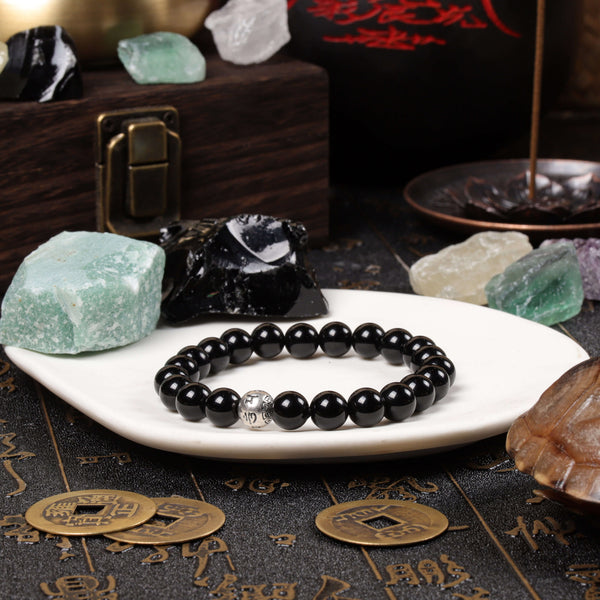
North (Water): The sector of career flow and spiritual contemplation. Optimal for tabletop water features, deep indigo or charcoal textiles, and protective black obsidian.
Curing Deficiencies: Simple Remedies for Missing Elements in Your Space
If an elemental energy feels absent in your living space:
To Boost Wood: Bring in resilient living houseplants (Pothos, Money Tree), vertical shelving, botanical textiles, and accents of forest green.
To Boost Fire: Add warm ambient lighting (2700K bulbs), pure beeswax candles, triangular artwork, and touches of terracotta or warm amber.
To Boost Earth: Introduce heavy ceramic vessels, natural stone coasters, woven jute rugs, and warm sand or mustard throws.
To Boost Metal: Incorporate brushed brass hardware, stainless steel accents, round mirrors, crisp white linens, and minimalist open shelving.
To Boost Water: Add a tabletop water fountain, mirrors positioned to reflect natural light, fluid glassware, and deep indigo accessories.
Remember: Gentle shifts create lasting harmony. You do not need to turn your living room into an elemental theme park. A single intentional object can reset the room's energetic tone.
Calming Excess: Softening Overbearing Fire, Stagnant Earth, or Rigid Metal
Too Much Fire? (Rooms that feel restless, overly loud, or cause irritable tempers): Balance with cool Water tones (indigo, charcoal), grounded Earth (ceramics), and lower the wattage of your lighting.
Too Much Earth? (Spaces that feel heavy, stale, dark, and encourage couch-potato lethargy): Clear out stored clutter, open the windows, and introduce tall green plants (Wood) to break up the stagnant Qi.
Too Much Metal? (Rooms that feel cold, clinical, sterile, or unwelcoming): Add tactile textures, warm wooden furniture, soft velvet cushions, and warm lighting (Fire) to soften sharp edges.
Too Much Water? (Spaces that feel chilly, damp, isolating, or emotionally dreary): Anchor the space with heavy stone, clay pottery, warm sand tones (Earth), and cheerful ambient lighting.
Too Much Wood? (Spaces that feel cluttered with competing projects, stacks of unread books, and overwhelming patterns): Prune the excess using clean Metal organization, circular trays, and crisp white surfaces.
Three Free Spatial Foundations: Decluttering, Natural Daylight, and Fresh Airflow
Before spending a dollar on crystals, plants, or design pieces, complete these three foundational adjustments:
Clear Physical Clutter: Clutter is stagnated Qi made visible. Unused items block your subconscious attention and deplete mental bandwidth. Clear flat surfaces first.
Maximize Daylight: Pull back heavy drapery, clean windowpanes, and let sunlight illuminate dark corners. Natural light instantly activates vital Yang energy.
Cross-Ventilate Daily: Open opposing windows for 15 minutes every morning to clear out stale indoor air, carbon dioxide, and trapped emotional stress.
Without fresh air, natural light, and physical order, superficial cures will have little impact.
Desk Feng Shui for Remote Workers: Plants, Water, and Warm Lighting
Your desk is your personal economic engine. Optimize it with this simple triad:
A Small Living Plant (Wood): Placed in the top-left corner of your desk to encourage growth, vision, and sustained focus.
A Clear Glass of Fresh Water (Water): Placed on your desk to symbolize continuous flow, clear communication, and calm mental clarity.
A Warm-Toned Task Lamp (Fire): Positioned to illuminate your active workspace, fueling creative drive and execution.
Commanding Position Tip: Place your desk so your back is protected by a solid wall, allowing you to clearly see the room's entrance without sitting directly in line with the doorway. This reduces subconscious hyper-vigilance, allowing your nervous system to stay focused.
Common Spatial Red Flags and Immediate Energy Adjustments
Frequent Petty Household Arguments: Excessive Fire or clashed Metal. Soften the space with earth tones, round shapes, and warm lighting.
Persistent Creative Fog and Stalled Projects: Stagnant Wood. Introduce a thriving plant, open the blinds, and hang uplifting art.
Chronic Financial Leaks and Surprise Bills: Uncontrolled Water, often linked to literal plumbing leaks. Fix dripping faucets immediately, keep bathroom doors closed, and place a grounding ceramic vessel or stone near drains.
Waking Up Exhausted Despite Long Sleep: Depleted Earth or stagnant energy under the bed. Clear all storage boxes from beneath your bed to allow air and Qi to circulate freely while you sleep.
Scattered Focus and Incomplete Tasks: Weak Metal. Clear away desk clutter, incorporate a minimalist organizer, and use clean, simple storage.

Five Elements in Traditional Chinese Medicine: Harmonizing Body and Spirit
In traditional medicine, the body is approached as a living, interconnected ecosystem. Rather than treating isolated symptoms, the practitioner evaluates the elemental harmony of the entire system.
Disclaimer: The following insights are provided for educational and cultural appreciation and do not replace personalized medical advice, diagnosis, or treatment.
The Five Zang Organs: Liver Wood, Heart Fire, Spleen Earth, Lung Metal, Kidney Water
Traditional medicine groups human physiology into five primary organ networks:
Liver (Wood): Governs the smooth flow of Qi throughout the entire body, stores blood, and nourishes the tendons and vision. When balanced, you move through life with easy flexibility.
Heart (Fire): Governs blood circulation and houses the spirit, mind, and emotional presence. When balanced, thinking is clear, speech is joyful, and sleep is sound.
Spleen (Earth): Governs digestion, nutrient absorption, the health of muscle tissue, and keeps blood within the vessels. When balanced, energy is steady and digestion is smooth.
Lungs (Metal): Governs respiration, commands defensive immune resilience, and hydrates the skin. When balanced, boundaries are strong and the breath is deep.
Kidneys (Water): Houses original vital essence, rules the bones, bone marrow, hearing, and hormonal balance. When balanced, willpower is unwavering and stamina is resilient.
Fu Organs, Energy Meridians, and Qi Circulation
Each internal Zang organ is harmoniously paired with an external Fu organ:
The Liver (Wood) pairs with the Gallbladder (decisiveness and judgment).
The Heart (Fire) pairs with the Small Intestine (mental and nutritional discernment).
The Spleen (Earth) pairs with the Stomach (welcoming and breaking down nourishment).
The Lungs (Metal) pairs with the Large Intestine (elimination and letting go).
The Kidneys (Water) pairs with the Urinary Bladder (fluid release and storage).
Acupuncture, acupressure, qigong, and herbal therapy work by clearing blockages along these twelve bilateral pathways, restoring healthy flow across the whole system.
Emotional Processing: Working with Anger, Joy, Overthinking, Grief, and Fear
Emotions are viewed as shifting energetic waves. When expressed and released naturally, they cause no harm. Only when chronic, suppressed, or unaddressed do they impact the physical organs:
Anger, Irritation, and Resentment hurt the Liver (Wood): Clenches the jaw, creates shoulder tension, and causes headaches. Remedy: regular stretching, long forest walks, and healthy creative expression.
Excessive Craving, Over-Excitement, and Manic Restlessness hurt the Heart (Fire): Manifests as heart palpitations, insomnia, and racing thoughts. Remedy: cool water, quiet breathwork, and tech detoxes.
Chronic Overthinking, Worry, and Rumination hurt the Spleen (Earth): Manifests as bloating, brain fog, fatigue, and sugar cravings. Remedy: mindful, distraction-free meals, warm soups, and grounding foot soaks.
Prolonged Grief, Melancholy, and Loss hurt the Lungs (Metal): Manifests as shallow breathing, tight chest, low immunity, and dry skin. Remedy: deep diaphragmatic breathing, posture adjustments, and journaling to release the past.
Deep Fear, Chronic Dread, and Adrenal Burnout hurt the Kidneys (Water): Manifests as lower back aches, knee weakness, and chronic exhaustion. Remedy: warm baths, early bedtimes, resting without screens, and nourishing bone broths.
Five Phases Nutrition: Nourishing Body and Mind by Flavor and Color
Choose seasonal foods that align with the flavors and colors of each organ system:
Wood: Lightly steamed leafy greens, dandelion greens, lemon water, Granny Smith apples (nourishing sour flavors).
Fire: Bitter greens like arugula, chicory, cacao, beets, berries, and goji berries (nourishing bitter and red foods).
Earth: Roasted sweet potatoes, pumpkin, butternut squash, oats, and millet (nourishing naturally sweet, unrefined foods).
Metal: Daikon radish, garlic, leeks, pears, white mushrooms, and ginger (nourishing pungent, clarifying white foods).
Water: Black beans, black sesame seeds, seaweed, bone broths, blackberries, and wild fish (nourishing mineral-rich, deep-toned foods).
Health Disclaimer: Educational Wisdom, Not Medical Diagnosis
These nutritional and energetic correspondences offer a beautiful lens for daily mindfulness. They are not intended to diagnose, cure, or treat clinical illnesses. Always consult with a licensed health professional for acute medical concerns.

Why Wu Xing Matters Today: Practical Benefits for Modern Well-Being
Wu Xing is not an archaic relic of the past. It offers a practical framework for self-regulation in our hyper-connected, fast-paced world.
Self-Discovery: Uncovering Your Predominant Energetic Archetype
Viewing your personality through the Five Elements helps dismantle shame:
If you are a Wood archetype, you can recognize that your impatience is simply unchanneled creative momentum, reminding you to intentionally practice patience.
If you are an Earth archetype, you can recognize that your people-pleasing is an overextended gift of empathy, reminding you to nourish yourself first.
If you are a Metal archetype, you can recognize that your perfectionism is a desire for integrity, allowing you to soften your edges with self-compassion.
Emotional Self-Care: Knowing When to Nourish and When to Release
Instead of spiraling into self-judgment when your mood shifts, use the cycles to realign:
When anxiety flares up (excess Fire): Bring in the cooling presence of Water through a long walk, cool shower, or quiet breathwork.
When stuck in a rut of procrastination (excess Earth): Invite in the momentum of Wood through physical movement and a fresh creative goal.
When feeling scattered and unfocused (deficient Metal): Create an organized plan, set clear boundaries, and clean your workspace.
Spatial Intentionality: Designing Environments That Anchor Focus and Peace
Your home is an extension of your energy field. Balancing colors, lighting, textures, and open space helps your nervous system feel safe, grounded, and clear.
Conscious Relationships: Honoring Different Elemental Communication Styles
Conflict often arises simply because two people are speaking from different elemental needs:
Wood communicators prioritize directness, long-term plans, and efficiency.
Fire communicators prioritize feeling appreciated, warmth, and expressive storytelling.
Earth communicators prioritize safety, mutual consensus, and feeling heard.
Metal communicators prioritize objective facts, personal space, and clear boundaries.
Water communicators prioritize emotional depth, intuition, and quiet reflection.
When you recognize someone's baseline phase, you can adjust your delivery and meet them where they are.
Career and Abundance: Marrying Water-Wood Vision with Metal-Earth Grounding
Sustainable professional success requires all five phases:
Water delivers fresh insight and resilience.
Wood builds the plan and initiates the launch.
Fire attracts an audience and communicates with passion.
Earth provides consistent delivery and operational support.
Metal establishes pricing, upholds standards, and creates scalable systems.
If your projects launch with passion but fizzle out before completion, you likely need more Earth and Metal. If your work feels rigid, uninspiring, and stale, you likely need a fresh infusion of Water and Wood.

How to Identify and Balance Your Dominant Element
You do not need an encyclopedic knowledge of ancient cosmology to begin balancing your energy right away.
The Practical Starting Point: Birth Year End-Digit Guide
Use your Gregorian birth year end-digit (adjusted for early-year birthdays before February 4th) as a fun, quick compass to explore your foundational archetype:
-
Ending in 0 or 1: Metal
-
Ending in 2 or 3: Water
-
Ending in 4 or 5: Wood
-
Ending in 6 or 7: Fire
-
Ending in 8 or 9: Earth
Notice how those archetypal traits resonate with your natural habits and patterns.
The Traditional Method: The Four Pillars Day Master and BaZi Blueprint
If you want to go deeper, consult a reputable calculation platform or a classical teacher to uncover your Day Master.
Your Day Master reveals the foundational element of your true nature, while the surrounding branches illuminate which supportive elements balance your personal chart.
The 3-Step Daily Balancing Framework: Restore, Regulate, and Anchor Habits
Restore What Is Depleted: If you have run yourself into the ground, do not rush into aggressive workouts or complex plans. Start with warm water, nourishing foods, and deep rest.
Regulate What Is Overextended: If stress has left you on edge, tap the breaks. Step away from blue screens, take slow deep breaths, and let accumulated tension release.
Anchor Sustainable Rhythms: Build simple daily rituals: a regular bedtime, five minutes of quiet morning sunlight, a clutter-free desk, and wholesome meals.
Curating Your Lifestyle: Intentional Decor, Wardrobe, and Mindful Eating
Let your intuition guide how you express the elements in your environment:
Wear colors that cultivate balance: Choose earthy tones for grounding, cool indigos for calm, or fresh greens for creative focus.
Incorporate crystal allies: Place protective black obsidian on your desk for energetic boundaries or soothing green aventurine for vitality.
Honor seasonal nutrition: Choose warm broths in winter and vibrant crisp vegetables in spring to keep your internal rhythm synchronized with nature.
Beyond Rigid Dogma: Trusting Your Somatic Awareness as the Ultimate Compass
If a particular design rule, dietary tip, or astrological guideline makes you feel anxious, disregard it.
Wu Xing exists to cultivate balance, presence, and vitality—not to build a new set of rigid rules. Your living body and calm intuition are the ultimate judges of what brings true balance into your life.

Common Misconceptions About Wu Xing (And the Truth Behind Them)
Myth 1: Wu Xing Represents Static Physical Substances
The Truth: The Five Elements describe five fluid phases of energetic transformation and seasonal movement, not literal chemical elements.
Myth 2: The Five Elements Are Superstitious Dogma
The Truth: Wu Xing is a sophisticated ancient systems philosophy that unites psychology, environmental health, and observation of the natural world into a holistic framework.
Myth 3: Authentic Feng Shui Requires Cluttered Cultural Artifacts
The Truth: True spatial harmony is achieved through intentional color, balanced lighting, natural materials, fresh air, and intuitive flow. A clean, modern minimalist home can embody balanced Wu Xing just as powerfully as a traditional home.
Myth 4: Your Birth Year Ending Number Tells the Whole Story
The Truth: The birth year end-digit provides an accessible, fun starting point, but a complete picture requires evaluating your full Day Master, seasonal balance, and natal pillars.
Myth 5: You Must Aggressively Flood Yourself with Deficient Elements
The Truth: The goal is harmony, not extremes. Flooding an already sensitive system with too much of an element can create fresh imbalances. Gentle, consistent adjustments are best.
Myth 6: Wu Xing Only Applies to Interior Design and Architecture
The Truth: Wu Xing weaves seamlessly through medicine, bodily movement, emotional regulation, nutrition, music, leadership strategy, and philosophy.

How to Begin: Integrating the Five Elements Into Your Life Today
You do not need to memorize every ancient text to benefit from Wu Xing. Simply begin by observing life through its lens.
Pause and check in with your energy right now:
Are you experiencing the restless push of ungrounded Wood?
The racing, overstimulated anxiety of excessive Fire?
The heavy, stagnant inertia of bogged-down Earth?
The cool, hyper-critical perfectionism of rigid Metal?
Or the isolated, weary chill of depleted Water?
Meet deficiencies with gentle nourishment (Sheng), and soften extremes with calm regulation (Ke).
If you do just one thing today, start with your physical space: pick one cluttered corner, clear away what you no longer need, open the window for fresh air, and let the sunlight in. That simple act is the most accessible, practical, and effective way to invite balanced Wu Xing into your life.

Frequently Asked Questions About Chinese Zodiac Elements and Wu Xing
Q1: What Is the Correct Order of the Five Elements?
The Generating Cycle (Sheng) follows this progression: Wood to Fire, Earth, Metal, Water, and back to Wood. The Controlling Cycle (Ke) moves across the system: Wood controls Earth, Earth controls Water, Water controls Fire, Fire controls Metal, and Metal controls Wood.
Q2: What Do the Generating and Controlling Cycles Mean?
The Generating Cycle describes how energy naturally nourishes and supports the next phase (like water nourishing a tree). The Controlling Cycle sets healthy boundaries and checks runaway excess (like a riverbank guiding moving water).
Q3: What Is My Chinese Astrology Element, and Is the Birth Year Method Accurate?
The birth year end-digit provides a simple and popular starting point for exploring your energetic archetype. However, an accurate classical chart considers your complete birth date and time to identify your core BaZi Day Master.
Q4: How Do the Five Elements Differ From Western Four Elements?
Western elements (Fire, Earth, Air, Water) are traditionally seen as foundational, static building blocks of temperament and matter. Eastern Wu Xing (Wood, Fire, Earth, Metal, Water) functions as a dynamic, seasonal cycle where each element continually evolves into the next.
Q5: How Do I Apply the Five Elements in Feng Shui?
You can balance your living space by aligning natural light, paint tones, living plants, open spaces, and materials with the five compass directions, soothing areas of excess and gently replenishing missing elements.
Q6: What Should I Do If I Am Missing an Element?
Introduce that element gently into your daily life through small decor touches, nourishing seasonal foods, intentional colors, or supportive daily habits. Avoid overcompensating with sudden extremes.
Q7: Is Wu Xing a Religion?
No. Wu Xing is a classical natural philosophy, ecological framework, and observational science. It is embraced worldwide as an intuitive foundation for spatial design, holistic medicine, somatic wellness, and mindfulness.
Q8: Can the Five Elements Cure Physical Illnesses?
While Wu Xing provides a foundational diagnostic and treatment map in Traditional Chinese Medicine, it does not replace contemporary clinical medicine. Always consult with a licensed healthcare practitioner for medical conditions.
Q9: Are Wu Xing and Five Elements the Exact Same Thing?
Yes. "Wu Xing" is the Chinese name, and "Five Elements" is the widespread Western translation. Academically and historically, "Five Phases" is often preferred because it captures the concept of continuous movement.
Q10: What Is the Fastest Way to Balance the Elements in My Home?
Start with three zero-cost essentials: declutter flat surfaces, open curtains to let in natural daylight, and open windows daily for fresh airflow. Once the space feels fresh, make minor adjustments using colors, plants, and natural textures.



Leave a comment