
The Ultimate Koi Fish Meaning & Symbolism Guide: Spiritual Significance, Feng Shui & Cultural History
TABLE OF CONTENTS
- Quick Answer: What Do Koi Fish Symbolize?
- The Living Canvas: Sacred Geometry in Motion
- Ancient Origins and Cultural Legends of the Koi
- Core Symbolic & Spiritual Meanings of Koi Fish
- Koi Fish Colors and Their Spiritual Meanings (Wu Xing)
- Philosophical Lineages: Buddhism, Daoism, and Nature Spirits
- Classical Feng Shui: Aligning Space, Wealth Chi & Fluidity
- Auspicious Numbers: How Many Koi Fish for Balanced Energy?
- Koi Fish Tattoo Meanings: Sacred Body Art & Intentional Totems
- Wearable Energy Anchors & Living Sanctuary Decor
- Cross-Cultural Wisdom: East to West
- Contemporary Reflections & Pop Culture Archetypes
- Common Misconceptions vs. Mindful Clarifications
- An Auspicious Intention-Setting Practice: Connecting with Your Koi Anchor
- Five Contemplative Lessons from the Koi
- Frequently Asked Questions (FAQ)
Article Summary & Key Takeaways:
Core Symbolism: Koi represent sovereign resilience, breakthrough transformation, dynamic Yin-Yang balance, and sustained abundance.
The Dragon Gate Legend: The ancient river myth of the carp leaping celestial falls symbolizes personal triumph over self-doubt.
Feng Shui Function: In spatial energy, koi act as living conduits of the Water element (Shui), circulating wealth Chi and filtering environmental stress.
Black Koi (Karasugoi): Not bad luck, but a sacred protective anchor that absorbs stagnant, chaotic energy.
In a modern world that constantly demands our speed, the koi fish asks for our presence. Beneath the cool, rippling surface of a mountain pool, its muscular body curves against the current—a living brushstroke of cinnabar, ink, and gold.
It glides with serene dignity, reminding us that true grace is not born from drifting downstream, but from meeting life’s resistance with steady, unhurried breath.
For centuries, across imperial gardens, mountain monasteries, and secluded courtyard sanctuaries, the koi has stood as more than an ornamental treasure. It is a living emblem of spiritual grit, dynamic balance, and flowing prosperity.

Quick Answer: What Do Koi Fish Symbolize?
Koi fish primarily symbolize sovereign resilience, good fortune, personal metamorphosis, dynamic Yin-Yang equilibrium, and sustainable abundance.
In Eastern metaphysical traditions, the koi’s instinct to swim against powerful torrents transforms it into an archetype of quiet determination. The ancient legend of the Dragon Gate (Longmen) tells of the humble carp leaping through celestial falls to transform into a soaring dragon—a metaphor for our own capacity to transcend ordinary limitations.
In Feng Shui, koi embody the life-affirming movement of the Water element (Shui), circulating wealth Chi, cleansing stagnant energy, and fostering harmony within living and working spaces.
Core Koi Symbolic Energies
Good Fortune & Blessing (Ji): Attracting auspicious new opportunities into the household.
Sovereign Resilience (Yi): Swimming against social pressure and environmental currents.
Inner Metamorphosis (Hua): Stepping past self-imposed limitations into personal mastery.
Dynamic Equilibrium (Heng): Harmonizing the active light and contemplative shadow within.
Flowing Abundance (Fu & Shou): Cultivating generational prosperity and longevity.

The Living Canvas: Sacred Geometry in Motion
Nishikigoi vs. Traditional Ancient Red Carp
To understand the koi is to understand its living lineage. While modern biology classifies koi as an ornamental variant of the common carp (Cyprinus carpio), classical Eastern culture views it as an expression of natural harmony (Dao) brought into form through patient human stewardship.
The terms "koi," "koi fish," and the Japanese word Nishikigoi (錦鯉) refer to the same living tradition. Nishikigoi translates literally to "brocaded carp," a term honoring their resemblance to luxurious woven silks.
Yet, the symbolic ancestry of the koi reaches centuries deeper into ancient traditions of the Red Carp (Hong Li). Classical scholars viewed these red and golden river carp as sacred conduits of primordial energy (Qi), whose scales captured the light of the sun and whose deliberate movements brought life to still waters.
"Living Jewels" and Swimmers of Living Art
Often honored across contemplative traditions as "living jewels" (Ikeru Hoseki) and "swimming art," koi bridge the boundary between raw nature and refined human aesthetics.
Unlike aquarium fish that dart nervously behind glass, a koi moves through open water with majestic, unhurried awareness. Watching a koi navigate clear water slows our neurological rhythms, turning any garden or courtyard water feature into an active sanctuary for personal grounding.

Ancient Origins and Cultural Legends of the Koi
1. The Chinese Legend of the Yellow River Dragon Gate (Yu Yue Long Men)
The deepest spiritual root of the koi narrative springs from the legendary rapids of China’s Yellow River.
Folklore recounts that when the sage-king Yu the Great (Da Yu) tamed the primordial floods, he cut a massive mountain channel through the Longmen Mountains. The river roared through this chasm with relentless fury, creating the legendary Dragon Gate waterfalls.
Schools of courageous river carp gathered from hundred-mile tributaries in the churning currents below. Witnessing the majestic precipice, they resolved to leap against the crashing torrents.
According to the ancient chronicle San Qin Ji (Record of the Three Qin):
"Every spring, when the mountain ice melts, schools of carp gather beneath the Dragon Gate. Out of thousands that attempt the leap, barely seventy-two can crest the summit in a single year. When a carp succeeds, heavenly mists gather, celestial fire singes its tail, and it transforms directly into a soaring dragon. Those that do not clear the falls carry a mark upon their foreheads, yet return with unyielding resolve."
This timeless myth, known as Yu Yue Long Men (鲤鱼跃龙门), remains the ultimate Eastern metaphor for personal sovereignty. It does not speak to superficial status; rather, it honors the profound journey of overcoming inner doubt, shedding past limitations, and realizing one's highest spiritual potential through sustained dedication.
2. Confucius and the Sacred Carp: The Mark of the Sovereign Spirit (Junzi)
The revered stature of the carp was cemented in history during the Spring and Autumn period.
When a son was born to Confucius (551–479 BCE), Duke Zhao of Lu sent a prime river carp as a ceremonial congratulatory gift. Confucius was so deeply moved by the symbolic gesture—a creature known for its noble presence, quiet determination, and dignified bearing under pressure—that he named his son Kong Li (鯉, literally "Carp") and styled him Boyu.
In classical philosophy, the carp reflects the ideal of the Noble Person (Junzi):
Poised in adversity: Refusing to panic when conditions change.
Rooted in integrity: Flexible in body, yet unyielding in moral resolve.
Calm beneath turmoil: Maintaining an uncluttered mind in troubled waters.
3. Niigata, Japan: The Genesis of Modern Nishikigoi
While the spiritual mythos of the carp took root in ancient times, its modern ornamental refinement was cultivated in the mountain snows of Niigata, Japan.
In the early 19th century (late Edo period), rural farmers in the remote Twenty Villages district (Nijugou) noticed spontaneous, vibrant color mutations among their edible black carp (Magoi). Fascinated by these living splashes of crimson, white, and gold, the villagers sheltered these unique fish through bitter winter blizzards inside deep indoor wintering ponds.
Over centuries of generational patience, the foundational lineages emerged:
Kohaku (紅白): Pristine white porcelain scales draped with vibrant crimson patterns.
Taisho Sanshoku / Sanke (大正三色): Luminous white base balanced with red accents and ink-stroke black markings.
Showa Sanshoku (昭和三色): Commanding black foundation wrapped in bold red and white geometry.
The name Nishikigoi was formalized during the Taisho era when regional fisheries inspector Eizo Abe beheld an exceptional Sanke and exclaimed, "This is truly a brocaded carp!"
The journey of the koi—from humble mountain survival to globally revered living art—is the Dragon Gate legend enacted in real time.

Core Symbolic & Spiritual Meanings of Koi Fish
Swimming Upstream: The Spiritual Archetype of Sovereign Resilience
Unlike surface-dwelling creatures that passively drift with the tide, the koi intentionally turns its body into the heavy current.
In mindful living, this upstream path represents conscious non-conformity: the refusal to let chaotic external circumstances dictate your internal values. It honors individuals who forge their own paths through grief, creative struggle, or personal reinvention.
The Dragon Koi: Sacred Metamorphosis and Personal Sovereignty
The transition from humble carp to majestic dragon is not an external miracle, but an internal awakening.
The "Dragon Koi" archetype speaks to moments in life when prolonged dedication suddenly bears fruit—launching a purposeful enterprise, stepping into authentic leadership, or breaking generational cycles of trauma. It reminds us that every dragon carries the memory of swimming as a carp.
Dynamic Yin-Yang Equilibrium: The Dance of Light and Shadow
When black and white koi swim together in perpetual circular motion, they form a living Taiji (Yin-Yang) circle:
The Black Koi (Yin): Governs stillness, intuitive receptivity, energetic shielding, and inward restoration.
The White/Red Koi (Yang): Governs forward movement, external creative fire, illumination, and decisive action.
Neither energy seeks to overpower the other; they generate one another in an eternal, flowing dialogue.

What Do Two Koi Fish Symbolize? Unconditional Harmony & Devotion
In traditional Eastern art, a pair of koi swimming in rhythmic synchrony represents harmonious partnership, emotional fidelity, and shared purpose.
Because koi frequently bond and swim in paired harmony for decades, they are cherished emblems for lifelong partnerships, marriages, and sacred friendships, symbolizing a shared path capable of weathering any storm.
Flowing Wealth, Abundance, and Longevity (Nian Nian You Yu)
The Chinese word for fish, Yu (鱼), is an exact homophone for "Surplus and Abundance" (余), preserved in the timeless blessing Nian Nian You Yu (年年有余)—"May you have overflowing abundance year after year."
Coupled with natural lifespans that comfortably span three to five decades (with historical lineages documented across generations), koi represent enduring generational wealth, emotional richness, and longevity rather than transient, volatile windfalls.

Koi Fish Colors and Their Spiritual Meanings (Wu Xing)
In Eastern energy traditions, every color manifests a unique elemental frequency within the Five Element system (Wu Xing). The palette of a koi transforms its living body into an energetic tuning fork within a space:
| Koi Color Variety | Core Spiritual Meaning | Five Element Affinity | Energetic & Feng Shui Function |
| Red (Kohaku / Benigoi) | Passion, vital life-force (Chi), courage, professional vitality | Fire (火) (Harmonized by Water) | Stimulates dynamic growth, warms stagnant career corners, attracts auspicious recognition |
| White (Shiromuji / Tancho) | Spiritual purity, clarity of mind, unburdened beginnings | Metal (金) | Generates and nourishes the Water element; refines mental focus and intentionality |
| Black (Karasugoi / Kumonryu) | Deep grounding, spiritual shielding, absorption of stagnant energies | Water (水) | Acts as an energetic filter; anchors family stability and neutralizes unseen stress |
| Gold / Yellow (Yamabuki Ogon) | Material wealth, sovereign achievement, clear manifestation | Metal / Earth (金/土) | Direct attractor of financial abundance and sustained career success |
| Blue / Grey (Asagi / Shusui) | Deep inner calm, emotional equilibrium, sovereign tranquility | Water (水) | Settles erratic emotional environments; enhances contemplative and meditative depth |
| Orange (Orengi Ogon) | Warmth, community harmony, creative collaboration | Earth / Fire (土/火) | Nurtures social connections, smooths strained interpersonal communication |
The Sacred Guardian: The Deep Wisdom of the Black Koi (Karasugoi)
In Western folklore, black animals are sometimes unfairly associated with misfortune. In authentic Feng Shui, the reality is the exact opposite.
The pure black koi (Karasugoi) is revered as a sacred guardian anchor. While radiant gold and red koi attract expansive yang energy, the black koi acts as a silent metaphysical sponge, absorbing disharmonious environmental stress (Sha Chi) and chaotic household frequencies before they impact your inner peace.

Philosophical Lineages: Buddhism, Daoism, and Nature Spirits
Buddhism: Compassionate Awareness and Mindful Release (Fang Sheng)
In Buddhist traditions, the carp is intimately woven into the practice of Fang Sheng (放生)—the ritual release of captive life back into natural waters as an act of selfless compassion. Monastic reflection pools often house koi, where their patient, circular swimming serves as a visual metaphor for the steady cultivation of awareness.
Contemporary Note: True mindfulness recognizes ecological responsibility. Today, this spirit of compassion is best expressed by caring deeply for existing pond habitats rather than introducing ornamental fish into delicate wild ecosystems.
Daoism: The Fluid Wisdom of Wu Wei (Action in Non-Forcing)
To watch a koi move in a mountain eddy is to witness Wu Wei (无为)—often translated as "action through non-forcing."
A koi does not thrash wildly against the riverbed; it maneuvers using the natural counter-currents, aligning its body geometry with the hydraulic flow. It reminds us that overcoming obstacles requires strategic presence rather than brute exertion.
Japanese Shinto: Nature Spirits (Kami) and the Freedom of Koinobori
In Shinto philosophy, sacred natural phenomena embody spirits of nature (Kami).
Nowhere is this more vivid than on May 5th during Japan’s Children's Day (Tango no Sekku), when families unfurl Koinobori (Carp Windsocks) high above their homes:
Black Carp (Magoi): Represents the steadfast, grounding strength of the father.
Red/Pink Carp (Higoi): Represents the nurturing warmth and love of the mother.
Vibrant Child Carp: Symbolize each growing child rising with vitality.

Classical Feng Shui: Aligning Space, Wealth Chi & Fluidity
The Metaphysics of Flowing Water: Cultivating Active Liquidity
Classical Feng Shui teaches: "Chi rides the wind and scatters, but is retained when encountering water." Water represents wealth not as static paper currency, but as circulating liquidity, emotional flow, and dynamic opportunity.
A standard pool of still water can become stagnant. By contrast, the rhythmic, muscular motion of koi continuously stirs the water, transforming ordinary liquid into a vibrant vortex of living vitality.
Practical Spatial Alignments
Southeast Sector (Wealth & Abundance Corner): Governed by the Wood element; Water nurtures Wood, fostering steady financial and personal growth.
North Sector (Career & Life Journey): Governed directly by the Water element; placing water features or koi motifs here strengthens professional momentum.
The Bright Hall (Ming Tang): Placing an entrance pond or indoor artwork near the entry foyer greets arriving guests with uplifting energy.
Essential Spatial Cautions
Avoid the Bedroom: Water features generate dynamic, active energy that disrupts deep, restorative sleep.
Avoid Opposing the Kitchen Stove: Kitchen cooking elements represent pure Fire; placing water directly facing the stove creates a discordant Fire-Water clash (Shui Huo Xiang Chong).
Avoid Positioning Directly Behind Seating: In spatial psychology, seating requires a solid backing (a "mountain" support). Liquid backings create a subconscious sense of instability.

Desk Feng Shui: Cultivating Focus & Career Momentum in the Home Office
For modern professionals and creators navigating demanding digital workloads, your work desk is your energetic command center. You do not need an outdoor water feature to invite the koi’s focus into your career:
The Dragon Side Placement (Left Corner): In classical spatial geometry, the left side of your desk represents the Green Dragon (Qing Long)—the seat of forward momentum, focus, and clear intellect. Placing a minimalist koi art print or a carved stone desk anchor here keeps mental fatigue at bay.
Clearing the Central Flow: Ensure the center of your desk (the immediate focal point of your gaze) remains clear of tangled wires and visual clutter, allowing the metaphorical "river" of your thoughts to flow unobstructed.
A Subtle Shield for Burnout: If your chair backs into an open doorway or busy hallway, keep a black stone or dark koi motif facing outward behind your workstation. It serves as a visual guardian, absorbing ambient distractions and preserving your deep-work boundary.
Mindful Solutions for Urban Sanctuaries and Small Living Spaces
Not everyone has the acreage or climate for a 1,000-gallon outdoor pond. In modern mindfulness, symbols act as intentional energetic anchors.
A curated fine-art print of swimming koi, a high-resolution ambient display, or a sculpted desktop water bowl brings the identical contemplative balance into urban apartments without the intensive maintenance requirements of live fish.

Auspicious Numbers: How Many Koi Fish for Balanced Energy?
Numerical balance plays a profound role in spatial design, linking directly to the energetic archetypes of the I Ching and Nine Star energy systems:
9 Koi Fish (The Sovereign Complete Balance): In traditional numerology, Nine (九, Jiu) is an exact homophone for "Everlasting" (久). As the pinnacle single-digit Yang number, it signifies completion, durability, and generational fulfillment.
8 Red / Gold + 1 Black (The Classic Protector Blueprint): This is widely considered the most effective configuration in traditional homes. The eight luminous fish generate active prosperity, while the solitary black fish secures the foundation, catching and filtering ambient tension.
3 Koi Fish (New Birth & Expansion): Resonates with the Wood element; ideal for startups, new marriages, or fresh creative ventures seeking continuous upward momentum.
6 Koi Fish (Smooth Transitions & Support): Resonates with the Metal element; invites beneficial mentors (Gui Ren), career guidance, and frictionless execution.
1 Single Koi (Primordial Beginning): Reflects the "One White Water Star" (Yi Bai Shui), symbolizing quiet sovereignty, personal clarity, and deep introspection.

Koi Fish Tattoo Meanings: Sacred Body Art & Intentional Totems
In sacred body art, a koi tattoo is rarely chosen for simple aesthetics. It serves as a permanent, living testament to personal transformation, courage, and perseverance.
Upward vs. Downward Swimming Directions
Koi Swimming Upstream: Represents the wearer actively facing profound life adversity. It indicates that you are in the arena, refusing to capitulate, and drawing on your deepest reserves of strength to reach your "Dragon Gate."
Koi Swimming Downstream: Indicates that the major tempest has passed. The wearer has crested their symbolic waterfalls, cleared life-defining hurdles, and is now integrating their hard-won wisdom into peaceful, everyday mastery.
Dragon Koi Tattoo: The Anatomy of Personal Breakthrough
A design depicting a koi mid-transformation—its head sprouting majestic horns, scales shifting into dragon armor, yet retaining its fish tail—symbolizes the precise moment of personal breakthrough. It is chosen by individuals who have reinvented their lives after severe health battles, recovery, or significant career pivots.
Yin-Yang Koi Tattoo: Bridging the Inner Duality
Portraying two koi curved in a dynamic circular flow, this motif represents cosmic equilibrium. Wearers select this pattern to anchor emotional balance, bridge inner dualities (such as logic and intuition), and honor the dance between light and shadow.

Wearable Energy Anchors & Living Sanctuary Decor
The Psychology of Enclothed Cognition: Daily Tactile Reminders
From a modern psychological standpoint, wearing an artisanal piece or talisman with deep cultural significance engages enclothed cognition—the documented phenomenon where the symbolic meaning of what we wear systematically influences our focus, self-worth, and behavioral decisions.
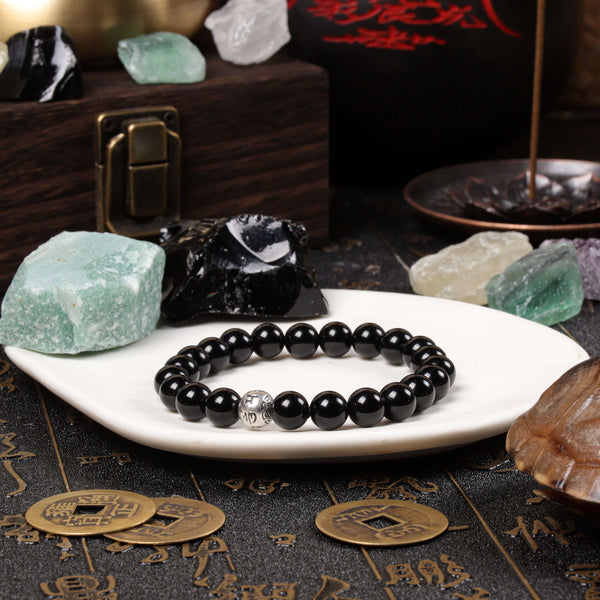
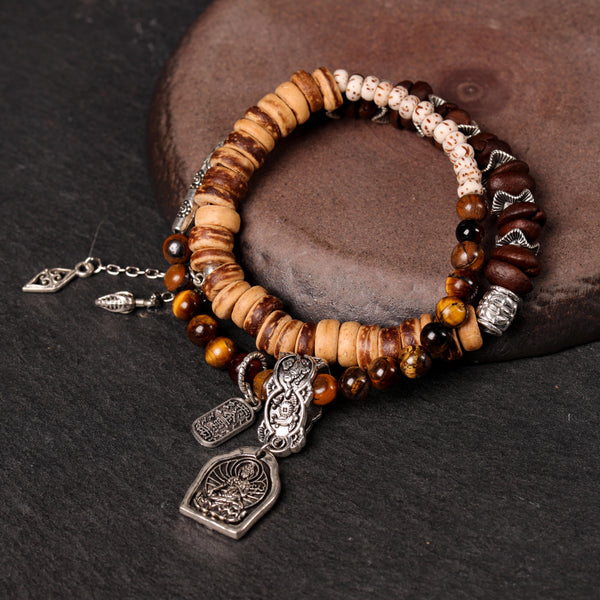
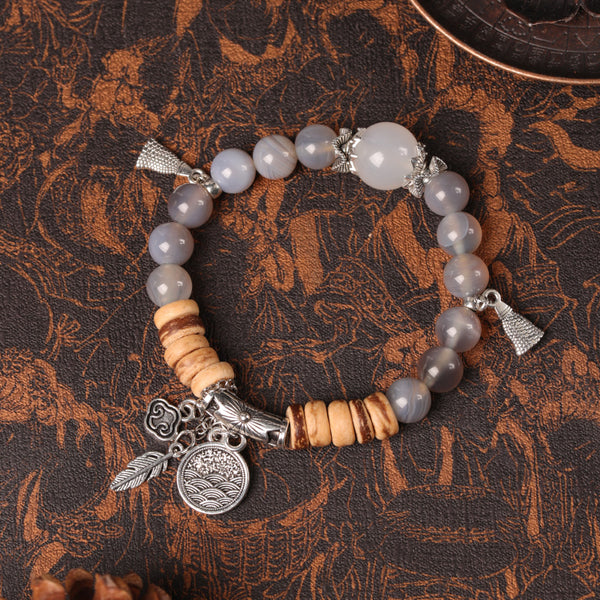
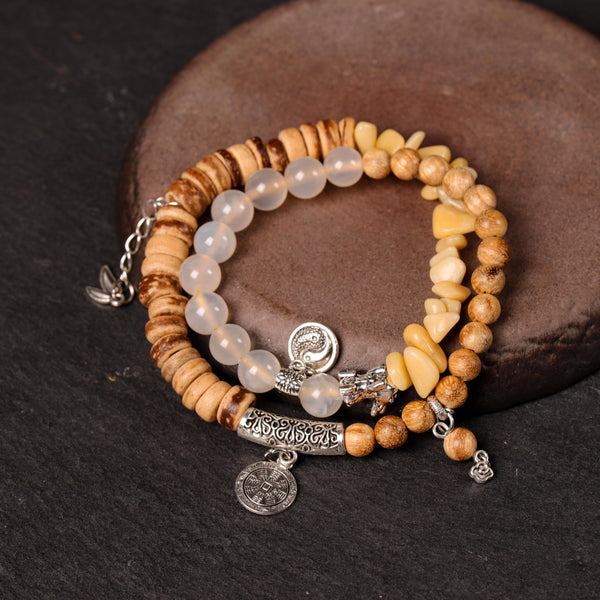
A master-crafted ring, natural stone bracelet, or sculpted pendant shaped like an undulating koi serves as a wearable energy anchor. In moments of midday anxiety, touching the smooth curve of the piece grounds your breathing and returns your awareness to your center—a sensory whisper that you, too, have the stamina to clear your current waterfall.
Sanctuary Decor: Grounding the Entrance Foyer
In contemporary interior architecture, minimalist koi paintings or polished brass sculptures placed in entry foyers offer a serene focal point. They welcome arriving family members and guests with a palpable feeling of calm, washing away street-level sensory overload.
Cross-Cultural Wisdom: East to West
China: The cradle of the Dragon Gate legend; koi are celebrated as living conduits of scholarly advancement, family abundance, and generational success.
Japan: The refining ground of Nishikigoi; celebrated as symbols of quiet warrior courage, family solidarity during Children’s Day, and sublime aesthetic perfection.
Vietnam: The traditional folk woodcut Cá Chép Trông Trăng (Carp Looking at the Moon's Reflection) depicts the carp observing the moon's reflection in water, an allegorical reminder to look beyond superficial worldly illusions in search of true enlightenment.
The Contemporary West: Koi have been embraced as emblems of psychological grit, non-conformist resilience, and sensory mindfulness. Medical centers, university courtyards, and boutique wellness resorts frequently install koi sanctuaries because listening to flowing water while watching these calm creatures measurably reduces physiological stress markers.

Contemporary Reflections & Pop Culture Archetypes
The Viral "Forward the Lucky Koi" (Zhuanfa Jinli) Phenomenon: Across digital networks, millions of students and professionals share stylized koi imagery before exams, interviews, and key life decisions. Psychologically, this acts as a lighthearted digital ritual—a collective, low-stakes bid for reassurance and shared hope in an unpredictable modern world.
Avatar: The Last Airbender (Tui and La: The Eternal Dance): In this beloved animated narrative, the spiritual balance of the world is maintained by two sacred koi residing in the Northern Water Tribe's Spirit Oasis: Tui (Push), the Moon Spirit, and La (Pull), the Ocean Spirit. Their endless, fluid circling directly celebrates the balance of opposing universal forces, showing how light and tide sustain all life.
Digital Fashion & Aesthetics: In modern virtual communities such as Roblox's Dress to Impress, koi motifs are continually sought out by younger creators to bring graceful, flowing Eastern aesthetics to life.
Common Misconceptions vs. Mindful Clarifications
Misconception 1: "Koi fish and goldfish are the same species."
Reality: While both belong to the carp family (Cyprinidae), they are biologically distinct. Koi (Cyprinus carpio) descend from common wild river carp and feature noticeable whisker-like barbels at the corners of their mouths. Goldfish (Carassius auratus) descend from wild Prussian carp and entirely lack barbels. Symbolically, koi embody the epic struggle of leaping the Dragon Gate, while goldfish traditionally represent domestic harmony and precious abundance (Jin Yu Man Tang).
Misconception 2: "Black koi bring bad luck into a household."
Reality: In classical Feng Shui, pure black koi are esteemed protective anchors. They absorb stagnant, disruptive vibrations before those frequencies can unsettle family equilibrium.
Misconception 3: "Passive superstition replaces aligned action."
Reality: While engaging with positive symbols boosts morale, passive reliance on superstitions without aligned effort breeds stagnation. The true teaching of the Dragon Gate is that the carp must leap with its own strength. Auspicious symbols illuminate our courage; our deliberate actions turn that inspiration into reality.
An Auspicious Intention-Setting Practice: Connecting with Your Koi Anchor
When bringing a new piece of koi artwork, a carved stone talisman, or an heirloom accessory into your sanctuary, allow it to become an intentional container for your personal aspirations:
Clear the Space: Light a stick of natural sandalwood, or simply open a window to let fresh morning air circulate through your room.
Hold the Anchor: Hold your koi piece between both hands. Close your eyes and take three long, deliberate breaths deep into your lower abdomen (Dantian), letting the tension in your shoulders melt away.
Name Your Dragon Gate: Silently or aloud, name the breakthrough you are currently working toward—whether it is creative courage, emotional healing, or professional expansion. Imagine the steadfast spirit of the upstream carp infusing your inner willpower.
Place with Purpose: Set the item in its designated sanctuary space or wear it close to your skin. Whenever your eyes rest upon it or your fingers brush its surface during the day, take one conscious breath and remember your commitment to persevere.
Five Contemplative Lessons from the Koi
Swimming upstream is an act of deliberate direction, not violent opposition. True resilience works alongside the physics of life rather than fighting shadows.
Transformation demands patient cultivation. Just as the brilliance of Nishikigoi took hundreds of years of dedicated care to refine, meaningful personal growth cannot be rushed overnight.
Equilibrium is a moving dance, not a rigid stance. Like the Yin-Yang koi, staying balanced requires continuous, gentle adaptation to the currents around you.
Inspiration opens the gate, but personal effort makes the leap. Blessings illuminate the path, but your own focused actions carry you over the threshold.
A single symbol can honor ancient roots while serving modern well-being. The koi shows us how cultural heritage can remain timeless, offering daily calm and grounded focus to modern seekers worldwide.
Frequently Asked Questions (FAQ)
What does a koi fish mean in spiritual contexts?
Spiritually, the koi fish represents the soul's journey: meeting earthly challenges with courage, moving through necessary life lessons, and experiencing profound inner transformation (the carp becoming the dragon). In Buddhism, it reflects compassionate awareness; in Daoism, it exemplifies effortless flow (Wu Wei); and in Shinto, it channels the vital life-force of nature.
What do two koi fish symbolize?
Two koi fish swimming in synchrony symbolize relational harmony, emotional balance, and loyal partnership. When arranged in a circular dance, they represent the dynamic harmony of Yin and Yang—complementary energies working in continuous, loving unity.
What is the dragon koi fish tattoo meaning?
A dragon koi tattoo captures the transformative moment where the carp ascends the legendary Dragon Gate and morphs into a celestial dragon. It represents personal triumph, recovering from severe trauma, and successfully redefining one's identity through focused will.
How long do koi fish live?
In well-maintained pond environments with balanced water chemistry, koi typically live 25 to 35 years. However, under pristine environmental conditions and mindful stewardship, many specimens live beyond 50 years. Notably, historical accounts include famous long-lived koi such as "Hanako," whose scale-ring analysis indicated a lifespan that stretched across generations.
Are koi fish goldfish?
No, koi fish are not goldfish. Koi (Cyprinus carpio) grow considerably larger (often 24 to 36 inches in outdoor ponds) and have two distinct, tactile barbels (whiskers) at each corner of their mouth. Goldfish (Carassius auratus) remain smaller, lack barbels, and descend from an entirely different carp lineage.
What does it mean when you dream about koi fish?
In psychological dream analysis, dreaming of brightly colored koi swimming effortlessly through clear water reflects rising confidence, creative abundance, and readiness for a major personal breakthrough. A dream of a koi leaping through cascading falls indicates that you are prepared to step past your current limits and realize your full potential.
What is the spiritual meaning of a koi fish dying?
In classical spatial traditions, when a living koi passes away naturally despite proper care, it is believed to have acted as a spiritual shield, absorbing a heavy disharmonious current (Sha Chi) that was heading toward the household. Mindfully, it serves as a prompt to check your pond's water balance while honoring the creature's quiet guardianship.



Leave a comment