How to Choose Your First Crystal Jewelry: The Complete Beginner’s Guide to Mindful Stones
TABLE OF CONTENTS
- The 10-Second Quick Match: Find Your Stone by Life Goal
- Why Choosing Your First Crystal Jewelry Requires Clear Intention
- Chakras, Seasonal Energy, and Eastern Lineage: A Grounded Perspective
- Clarifying Your Purpose: What Role Will Your Jewelry Play?
- Beginner Crystal Guide: Colors, Mineral Traits, and Real Budgets
- Choosing Your Format: Bracelets, Pendants, Rings, or Raw Specimens
- Sizing, Proportions, and Ergonomic Daily Wear
- Authenticity, Testing Standards, and Spotting Synthetics
- Ethical Sourcing and Fair-Trade Mining
- Realistic Budgeting, Shopping Channels, and Sales Traps
- Styling and Everyday Aesthetic Pairings
- The Sensory Anchor: Using Jewelry for Daily Emotional Grounding
- Cleansing, Care, and Everyday Maintenance
- The In-Person and In-Home Fitting Guide
- How Classical Lineage Informs Modern Wearable Design
- Creating Your Personal Wearable Sanctuary
- Frequently Asked Questions
- Related Blogs
Choosing your first piece of crystal jewelry is far more than following a fleeting aesthetic trend. It is an intentional dialogue with your inner self—a personal inquiry into what you truly need right now. Are you looking for a refined accent to elevate your daily wardrobe, a grounding sensory anchor during high-stress workdays, or a tangible connection to ancient Eastern spatial wisdom?
When navigating the modern metaphysical space, selecting a foundational piece should feel like an empowering mindfulness practice, not an overwhelming shopping chore.
Who This Guide Is For:
First-time buyers seeking genuine, skin-safe, wearable mindfulness tools.
Conscious shoppers determined to avoid synthetic glass fakes, deceptive certificates, and fear-driven marketing.
Modern professionals who want the perfect balance of understated style, energetic balance, and all-day comfort.
What You Will Learn:
How to pinpoint your true daily intention and pick the right stone, jewelry style, and bead size.
The 10-second beginner cheat sheet to match common life goals with the right mineral.
How to spot lab-grown glass, understand gemological testing standards, and buy ethically.
Practical methods to stack, cleanse, and use your piece as a non-clinical reset for daily stress.
A Note on Daily Wellness: In both traditional lineages and modern holistic lifestyle circles, crystals serve as personal reminders, cultural symbols, and somatic focal points. They are not medical devices and do not diagnose, treat, or cure any physical or mental health conditions. Real personal clarity, aesthetic resonance, and consistent daily comfort always come before exaggerated claims.

The 10-Second Quick Match: Find Your Stone by Life Goal
If you need a clear starting point without wading through hundreds of minerals, use this quick-reference guide based on everyday emotional needs:
For Mental Clarity and a Fresh Slate: Clear Quartz. Neutral, ultra-versatile, matches any outfit.
For Self-Compassion and Softer Self-Talk: Rose Quartz. Warm pastel tones that encourage daily gentle presence.
For Quiet Focus and Work Boundaries: Amethyst. Deep contemplative violet, perfect for late-night wind-downs.
For Clear Speech and Workplace Collaboration: Aquamarine or Blue Lace Agate. Soothing sea-toned hues that ease communication friction.
For Grounded Confidence and Action: Golden Tiger's Eye. Dynamic chatoyant luster for focused decision-making.
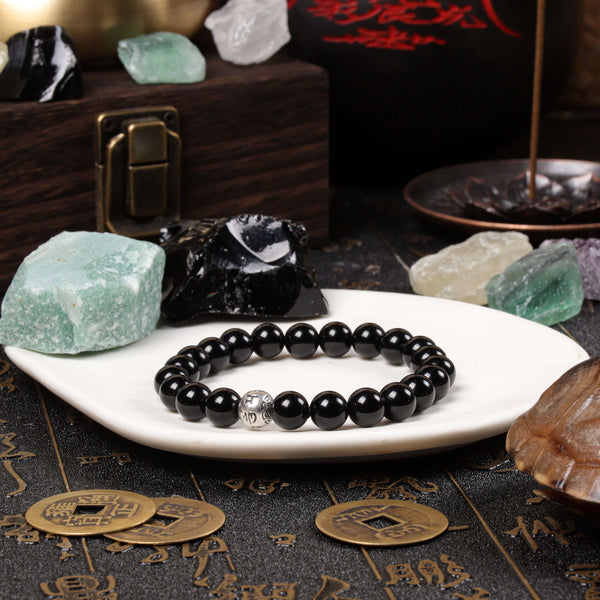
For Sensitive People Craving Firm Boundaries: Black Obsidian or Black Tourmaline. Sleek, deeply grounding, and shielding against daily mental overwhelm.

Why Choosing Your First Crystal Jewelry Requires Clear Intention
The dynamic of your first purchase largely determines whether your piece becomes an enduring daily companion or ends up forgotten inside a drawer. When beginners walk away dissatisfied, it is rarely because they fell out of love with natural stones. In our studio's experience testing jewelry across hundreds of daily routines, dissatisfaction almost always stems from choosing the wrong scale, poor ergonomic fit, or an inflated price point.
Common Pitfalls for First-Time Crystal Buyers
The "Too Precious to Wear" Dilemma: Investing hundreds of dollars into high-grade amethyst right away often creates anxiety around scratching or damaging it. A foundational piece should integrate effortlessly into your real life—whether you are typing on a keyboard, commuting, or running errands.
Proportion and Weight Mismatch: Oversized beads knock against your desk and feel heavy on the wrist, while ill-fitting chain lengths catch on shirt collars. Dimensional mismatch remains the single most common cause of unworn jewelry.
The "Guaranteed Outcome" Marketing Trap: Vague promises of overnight wealth, sudden romantic reunions, or miracle cures lack authenticity and carry extreme price markups. Your first piece should serve your actual aesthetic tastes and real-world inner focus, free from fear-based consumerism.
The Conscious Selection Formula:
Personal Resonance + Ergonomic Fit + Accessible Budget + Daily Comfort + Ethical Sourcing = The Right Foundation Piece

Chakras, Seasonal Energy, and Eastern Lineage: A Grounded Perspective
Before exploring individual stones, it helps to understand the cultural and psychological framework surrounding crystal symbolism, the chakra system, and traditional five-element harmony.
Cultural Archetypes and Sensory Anchors
In time-honored traditions, rose quartz represents gentleness, amethyst symbolizes quiet focus, and obsidian reflects clear personal boundaries. These associations function as tactile psychological anchors. When your fingers brush the cool surface of rose quartz during a tense conversation, it physically reminds you to soften your response and stay present.
Ancient Systems as Reflective Maps, Not Rigid Rules
Chakras, astrology, and traditional elemental balances are ancient self-discovery systems rather than strict demands. You do not need to buy a stone you dislike simply because a chart suggests your astrological profile lacks a certain element. Your spontaneous, intuitive visual attraction to a particular color, stone pattern, or weight is your most reliable guide.

Clarifying Your Purpose: What Role Will Your Jewelry Play?
Take two quiet minutes to identify your primary reason for bringing a stone into your daily routine.
1. Wardrobe Styling and Daily Aesthetics
If visual harmony is your core priority, focus on color coherence, cut, silhouette, and how naturally the stone complements your existing wardrobe. Energetic symbolism remains a pleasant secondary benefit.
2. Emotional Regulation and Mindfulness Anchors
For grounding daily stress, select soothing hues and smooth, tactile finishes. Natural stone bracelets and minimalist pendants sit directly against the skin, offering an instant touchpoint that anchors wandering attention back into the present moment.
3. Cultural Heritage and Meaningful Gifting
When gifting, consider the recipient’s skin sensitivity, style preferences, and lifestyle needs. Look for certified materials, refined presentation packaging, and flexible return policies.
4. Lifestyle Scenarios
The Professional Workspace: Subtle, refined stones like clear quartz, moonstone, and aquamarine maintain understated elegance without visual distraction.
Social and Creative Gatherings: Warmer, expressive stones like strawberry quartz or golden tiger's eye invite open communication and vibrant presence.
Evening Relaxation: Placing gentle amethyst or raw moonstone near your nightstand fosters a peaceful evening wind-down ritual. We recommend removing wristwear before sleep to prevent pressure marks.

Beginner Crystal Guide: Colors, Mineral Traits, and Real Budgets
| Mineral Family | Representative Stones | Visual & Mineral Characteristics | Traditional Mindfulness Focus | Realistic Budget (US Market) |
| White & Clear | Clear Quartz, Moonstone | Pure clarity to milky adularescence with soft blue shimmer | Focus, mental reset, intuitive gentleness | 6–8mm: $18–$35; 8–10mm: $25–$55 |
| Pink & Red | Rose Quartz, Strawberry Quartz, Carnelian | Translucent blush, mineral specks, or rich banded carnelian | Self-compassion, open-heartedness, steady vitality | 6–8mm: $20–$40; 8–10mm: $28–$65 |
| Purple | Amethyst | Translucent lilac to royal purple crystalline structure | Contemplative calm, deep focus, evening unwind | 6–8mm: $18–$38; 8–10mm: $32–$75 |
| Blue | Aquamarine, Blue Lace Agate | Sea-foam blue translucency, layered lace ribbons | Clear communication, expressive ease, soothing friction | 6–8mm: $28–$65; 8–10mm: $48–$120 |
| Yellow & Gold | Citrine, Golden Tiger's Eye | Warm solar hues, dynamic chatoyancy with shimmering bands | Confidence, self-trust, intentional decisiveness | 6–8mm: $22–$45; 8–10mm: $35–$85 |
| Green | Green Aventurine, Malachite, Peridot | Glistening aventurescence, olive radiance, banded green | Renewal, creative momentum, balanced restoration | 6–8mm: $18–$35; 8–10mm: $28–$60 |
| Black & Smoky | Black Obsidian, Black Tourmaline, Smoky Quartz | Deep glassy black, reflective sheen, rich smoky bronze | Protective emotional boundaries, grounding stability | 6–8mm: $15–$28; 8–10mm: $20–$45 |

Choosing Your Format: Bracelets, Pendants, Rings, or Raw Specimens
Different jewelry formats serve distinct functions depending on your daily movements and personal style.
Beaded Bracelets: The Premier Daily Choice
Beaded bracelets offer fluid movement, tactile accessibility, and forgiving sizing. High-resilience elastic cord ensures ease of wear while keeping stones continuously flush with pulse points. Touching your wrist requires zero effort during a busy workday.
Minimalist Pendants and Necklaces
Ideal for corporate settings with understated dress codes. Pendants rest close to the breath and heart center.
40 cm (16 inches): Choker length; rests neatly along the collarbone.
45 cm (18 inches): The universal sweet spot for everyday versatility with round or V-neck shirts.
50 cm (20 inches): Relaxed drop; layers effortlessly over knitwear and autumn styles.
Rings and Earrings
While visually striking, rings take direct physical impact on desks and keyboards, requiring precise sizing. Ear wires must be strictly hypoallergenic. For your very first purchase, start with a bracelet or pendant before expanding into rings.
Raw Specimens and Altar Stones
Unworked geodes and rough clusters ground stationary spaces—such as meditation nooks, home offices, and bedside tables—but lack the responsive portability of wearable pieces.

Sizing, Proportions, and Ergonomic Daily Wear
A piece that pinches the skin or catches on your clothing will inevitably end up back in its box. Getting the fit right is essential for regular wear.
Measuring Your Wrist:
Use a soft tape measure around the narrowest point of your wrist, keeping it snug against your skin. Add 0.5 to 1.0 centimeter (about a quarter to half an inch) for your target inner bracelet circumference. This creates room for natural wrist flexion without letting the piece slide halfway up your forearm.
Bead Proportions and Weight
6mm to 8mm: Delicate, featherlight, and exceptionally comfortable for all-day computer work. The ideal choice for layering.
8mm to 10mm: The versatile modern standard. Provides noticeable presence without feeling bulky.
10mm and larger: Bold, tactile, and visually striking. Best suited for intentional evening wear or standalone statement pieces.
Skin Safety and Hypoallergenic Accents
Sensitive skin requires non-reactive materials. Always look for nickel-free hardware such as surgical steel, solid 925 silver, or titanium. Remove your jewelry during heavy workouts or hot showers to preserve both the stone surfaces and the internal elastic core.

Authenticity, Testing Standards, and Spotting Synthetics
Natural crystals carry organic variations formed across geological time. Internal veils, faint stress fissures, soft mineral specks, and slight color gradations are natural signatures of authenticity, not flaws. Complete glass-like clarity at an entry-level price point should always prompt caution.
Common Synthetic Traps and Treatments
Colored Glass Imitations: Feature unnatural, glass-like clarity and tiny spherical trapped air bubbles. Glass also warms to skin temperature almost instantly, whereas natural mineral quartz stays cool to the touch for several seconds.
Quench-Crackled and Dyed Quartz: Created by heating low-grade quartz, plunging it into cold chemical dye baths, and letting color gather inside artificially induced fractures. You can often spot darker pigment pooling along the cracks.
Irradiated Synthetics: Treated with lab radiation to produce unnaturally uniform, deeply saturated hues throughout the crystal matrix.
Understanding Gem Testing Standards
In the North American market, reliable gemstone authentication follows standards aligned with independent gemological bodies like the Gemological Institute of America (GIA). Testing identifies minerals through physical benchmarks like refractive index, specific gravity, and microscopic inclusions.
When shopping from artisan brands, verify whether they work with verified geological test reports, provide clear daylight photography, and offer direct material guarantees.
Ethical Sourcing and Fair-Trade Mining
Mindful jewelry begins with respectful mineral harvesting. Responsible sourcing matters just as much as aesthetic appeal:
Conflict-Free Origins: Prioritize brands that partner directly with family-owned, artisanal lapidary workshops and cooperative mines where miners earn fair living wages and work in safe conditions.
Environmental Reclamation: Inquire whether your supplier works with mines committed to backfilling open cuts and minimizing local waterway runoff.
Material Traceability: Ask retailers direct questions: Can they trace this batch of amethyst or obsidian back to its mining region? Transparent brands welcome these conversations and readily share their supply chain practices.

Realistic Budgeting, Shopping Channels, and Sales Traps
A high-grade, natural crystal piece does not require a large financial investment.
Accessible Entry ($15 to $55): Natural clear quartz, black obsidian, natural amethyst, rose quartz, and golden tiger's eye.
Artisan Design ($60 to $220): Hand-selected natural stones paired with custom ergonomic layouts, certified origin cuts, and specialized finishing.
Collector Grade ($250 and above): Rare mineral inclusions, unique optical phenomena, or untreated heirloom specimens.
Vetting Digital Sellers
Are macro videos taken under neutral, natural daylight available upon request?
Is the mineral confirmed un-dyed and chemically untreated?
Is there a straightforward, hassle-free 30-day return policy?
Are metal spacer beads confirmed nickel-free and skin-safe?
Sales Tactics to Avoid: Exercise healthy skepticism around high-pressure countdown clocks, dramatic claims of instant wealth, or unverifiable claims of exclusive spiritual blessings. Authentic stones should stand on physical craftsmanship, aesthetic clarity, and genuine provenance.

Styling and Everyday Aesthetic Pairings
Your jewelry should naturally reflect your personal style and wardrobe palette.
Cool Minimalist Palettes (Black, White, Charcoal, Navy): Clear Quartz, Deep Amethyst, Aquamarine, Rainbow Moonstone.
Warm Earthy Palettes (Beige, Olive, Terracotta, Cream): Golden Citrine, Tiger's Eye, Smoky Quartz, Warm Carnelian.
Bold Monochromatic Palettes: High-polish Black Obsidian, Dark Tourmaline, Deep Banded Agate.
The Three-Layer Mindful Stacking Method
The Foundation Layer: Your primary tactile crystal bracelet (such as an 8mm matte obsidian or smooth amethyst) sits directly against your skin as your main mindfulness anchor.
The Contrast Layer: A minimalist 2mm to 3mm metal bead bar or delicate cable chain breaks up visual weight and adds refined balance.
The Anchor Layer: A structured wristwatch or tailored leather band provides grounding weight and frames the wrist.
Styling Tip: When wearing multiple stone bracelets together, place smooth metal spacer beads between minerals of differing Mohs hardness to prevent surface scuffs.
The Sensory Anchor: Using Jewelry for Daily Emotional Grounding
Beyond its aesthetic appeal, a wearable stone piece functions as a practical, non-clinical tool for everyday mindfulness and nervous system regulation.
The 5-Second Somatic Touch Technique
When cognitive fatigue sets in or a stressful conversation threatens to derail your focus, use your piece as a physical anchor:
Physical Contact: Reach over and clasp the stones on your wrist. Notice their initial cool temperature and smooth surface.
Controlled Breath: Inhale through your nose for 4 counts while focusing your attention on the weight of the beads.
Slow Release: Exhale slowly for 6 counts, releasing tension from your shoulders and jaw.
Mindful Response: Return to your conversation or task with grounded awareness, breaking the cycle of impulsive reactions.
Pairing a piece with a simple personal intention—such as patience, clear speech, or firm boundaries—creates a reliable physical trigger. Every time your fingers brush the stones, you gently re-engage that mindset.

Cleansing, Care, and Everyday Maintenance
Simple, regular care preserves both the natural finish of your stones and the longevity of your jewelry.
Safe, Non-Abrasive Cleansing
Ambient Moonlight: Rest your jewelry on an indoor windowsill overnight during bright moon phases.
Geode Nesting: Place your daily bracelet inside an open amethyst cluster or clear quartz bowl when you return home.
Aromatic Smoke: Pass your piece through drifting smoke from ethically harvested white sage or sustainably sourced palo santo for 30 seconds.
Sound Bowls: Let the clear tone of a bronze singing bowl or tuning fork wash over your accessories.
What to Avoid: Water, Salt, and Direct Sunlight
Sun Bleaching: Natural amethyst, rose quartz, and fluorite gradually lose color vibrancy if left on bright, sunlit surfaces for extended periods.
Water Sensitivity: Soft or iron-bearing minerals—such as malachite, selenite, lapis lazuli, and hematite—can break down, rust, or lose their surface polish if soaked in water. Never submerge strung beaded jewelry in saltwater, as it quickly corrodes the internal elastic cord.

The In-Person and In-Home Fitting Guide
In-Store Fitting Checklist
Slip the bracelet on and wear it for five minutes while walking, speaking, and handling your phone. Does the piece catch on fabric? Does the inner bearing feel balanced when your hands rest flat against a desk?
Digital Delivery: The 7-Day In-Home Test
Day 1 (Home): Wear the piece around your home space to check fit, weight distribution, and tactile comfort.
Day 2 (Workday): Observe how smoothly the silhouette moves beneath jacket cuffs and during computer work.
Days 3 to 7 (Full Rotation): Test the piece across different styles and settings. If you notice persistent pinching or awkward proportions, arrange an exchange within the return window.
How Classical Lineage Informs Modern Wearable Design
In traditional spatial philosophy, ancient practitioners focused on architectural layouts and natural geography to balance living environments. The modern perspective behind HVibeTune focuses on translating these environmental principles into refined, wearable pieces—bringing intentional spatial harmony directly into everyday life.
From Room-Scale Layouts to Personal Focus
Just as classical design arranges living spaces to optimize light, airflow, and quiet focus, a thoughtfully designed bracelet serves as a personal focal point you carry through changing environments throughout the day:
Careful Mineral Selection: Rather than relying on mass-produced, chemically treated stone, pieces are crafted using natural, un-dyed minerals hand-selected under the guidance of experienced Feng Shui traditions.
Alignment with Natural Cycles: Assembly and crafting are aligned with seasonal rhythms, honoring the natural shifts between rest and renewed creative energy.
Protected Handling: Finished pieces are placed in protective, sealed packaging immediately after preparation, ensuring they remain untouched until you open them.
While design philosophies vary across the holistic lifestyle space, the best piece will always be the one that fits your personal aesthetic, budget, and daily life.
Creating Your Personal Wearable Sanctuary
Your first piece of crystal jewelry does not need to be rare, expensive, or overly complicated. Its true value lies in how naturally it fits into your daily routine—serving as a quiet reminder of presence, balance, and intention.
Identify your core daily intention.
Pick one or two stone families that feel genuinely appealing.
Select an accessible budget and comfortable bead size.
Confirm transparent sourcing, natural finishes, and a clear return policy.
Wear your piece mindfully, letting it serve as a steady anchor for your day.
The ideal crystal jewelry is always the piece you feel genuinely called to wear every single day.
Frequently Asked Questions
Should I wear crystal jewelry on my left or right wrist?
In traditional Eastern perspectives, the non-dominant hand is viewed as the receptive, inward-facing side (ideal for personal calm, focus, and quiet integration), while the dominant hand serves as the expressive, outward-facing side (for boundaries, dynamic action, and social communication). From an ergonomic standpoint, wearing your bracelet on your non-dominant hand is the most practical choice, as it significantly reduces daily friction and knocks against hard surfaces.
Can I wear my crystal jewelry in the shower or while swimming?
No. Body washes, shampoos, chlorinated pool water, and hot steam wear down natural stone finishes and rapidly degrade internal elastic cording, leading to unexpected breakage.
How often should I cleanse my crystal jewelry?
Cleanse your pieces according to your own routine—once a week or at the end of a demanding month works well. Consistent personal intention and mindful appreciation matter far more than rigid schedules.
What should I do if the elastic cord or stone breaks?
From a physical standpoint, elastic cording naturally loses elasticity over time, and stones fracture under sudden impacts or internal tension. In traditional culture, a broken piece is seen as having safely absorbed a difficult transition for you. Simply collect the remaining stones, place them in a small dish, or restring them on fresh cord with a renewed intention.
Can I stack multiple stone families together on one wrist?
Yes. Limiting your stack to two or three balanced pieces prevents physical tangling and keeps your aesthetic refined.